
Riyadh/Nairobi, November 11, 2026
A Saudi court sentenced a domestic worker from Kenya to 100 lashes for giving birth outside marriage. The ruling shows the limits of a decade of social and legal reforms in a kingdom where women can be jailed and punished for “illegal pregnancy.”
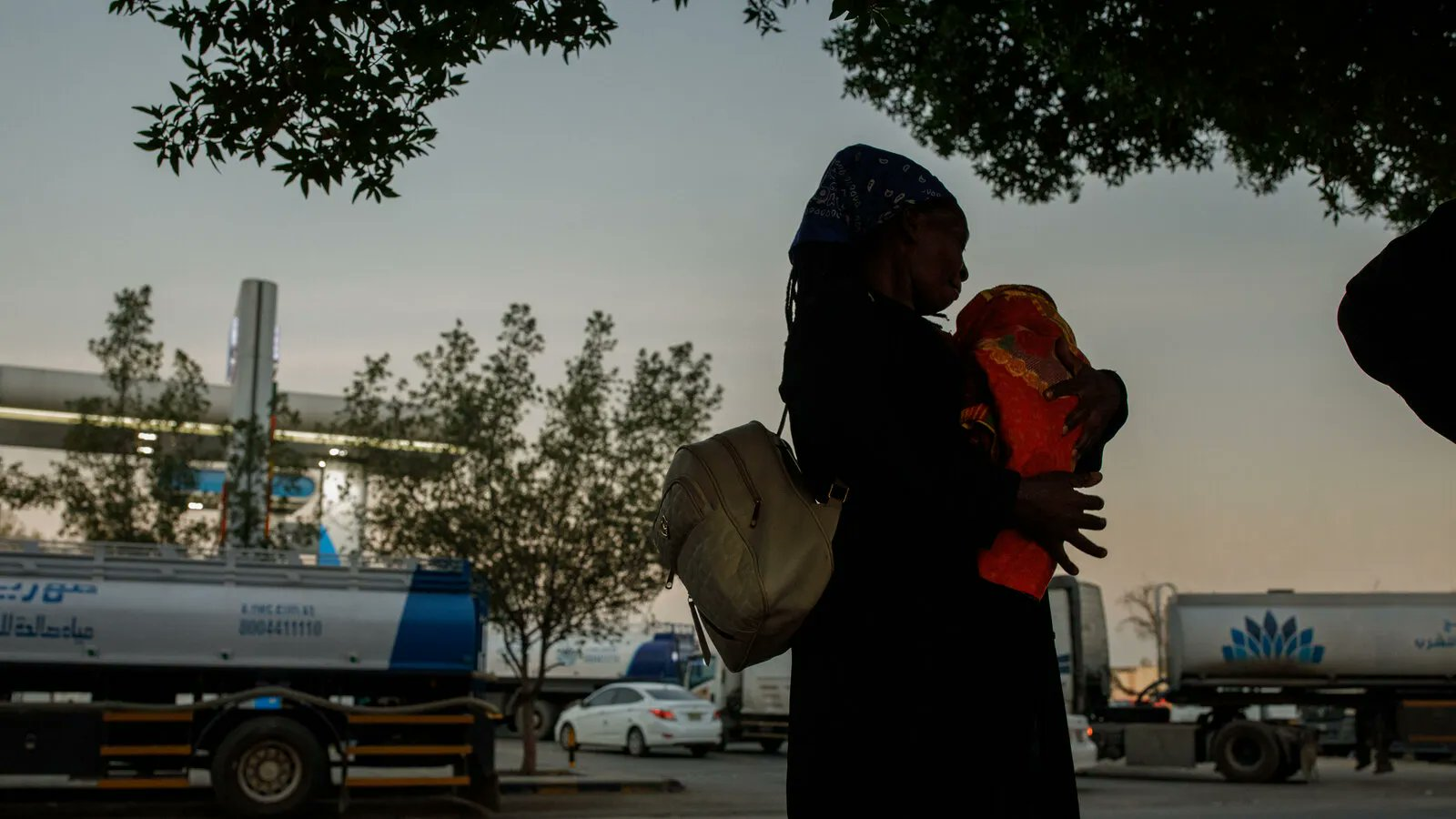
Esther Wanja Muthoni, a 40-year-old mother of five, was convicted in October 2026 by a three-judge panel at a criminal court in Riyadh. She was sentenced to 100 lashes and one year of banishment after giving birth to her son, Abudy, in August 2025 while working legally as a housekeeper and nanny. She had become pregnant during a brief relationship with an Egyptian resident of the kingdom who later left the country. Court records indicate authorities did not pursue the father. The Guardian
Muthoni was recruited through the Saudi company Maharah Human Resources. She gave birth in staff accommodation. A supervisor discovered her and the newborn and took them to a hospital, after which police detained her for questioning. She has spent more than a year trying to return to Kenya with her child but has been blocked by the legal proceedings. Her Kenyan exit documents expired while the case was pending. She attended hearings with a court-appointed translator but without a lawyer and chose not to appeal, saying an appeal would delay her return home. Punchng
“I am so afraid. I don’t think I can endure those lashes. I don’t deserve this,” Muthoni told The New York Times. She added that not appealing was “the only way that can take me back home to my children.”
Under Saudi Arabia’s Sharia-based system, which lacks a comprehensive written penal code, judges interpret Islamic law on a case-by-case basis. The court applied an orthodox reading that treats sex outside marriage (zina) as an offence punishable by 100 lashes. Women subjected to the punishment are typically seated and clothed while struck with a bamboo stick under medical supervision. The additional banishment sentence generally means relocation to another Saudi city when no destination is specified. Pulse
The case has drawn criticism from rights groups. Ekaterina Porras Sivolobova, founder of the migrant-workers’ organisation Do Bold, said the flogging sentence does not align with international human rights standards. Maryam Aldossari of the UK-based organisation ALQST described it as “an act of violence” and argued that Muthoni should have been returned to Kenya rather than punished. Advocates note that female migrant domestic workers from East Africa face particular vulnerabilities, often navigating the system without adequate legal representation or consistent consular support. Many such pregnancies go unreported because women give birth at home to avoid detection. The Guardian
Kenyan officials have responded cautiously. In a statement, Principal Secretary for Foreign Affairs Abraham Korir Sing’Oei said Kenya was “saddened by what would constitute ‘cruel and inhuman’ punishment under our jurisdiction” but respected Saudi Arabia’s sovereignty, adding that the government would continue engaging Saudi counterparts on the matter.
The sentence comes amid Saudi Arabia’s Vision 2030 reforms, which have expanded certain social freedoms and economic opportunities for women. However, the persistence of severe corporal and morality-based penalties for pregnancy outside marriage underscores the uneven pace of legal change, particularly for vulnerable foreign workers. It remains unclear when the lashes will be carried out. Muthoni remains in Saudi Arabia with her son as diplomatic and consular efforts continue.