
Nairobi, 24 November 2026
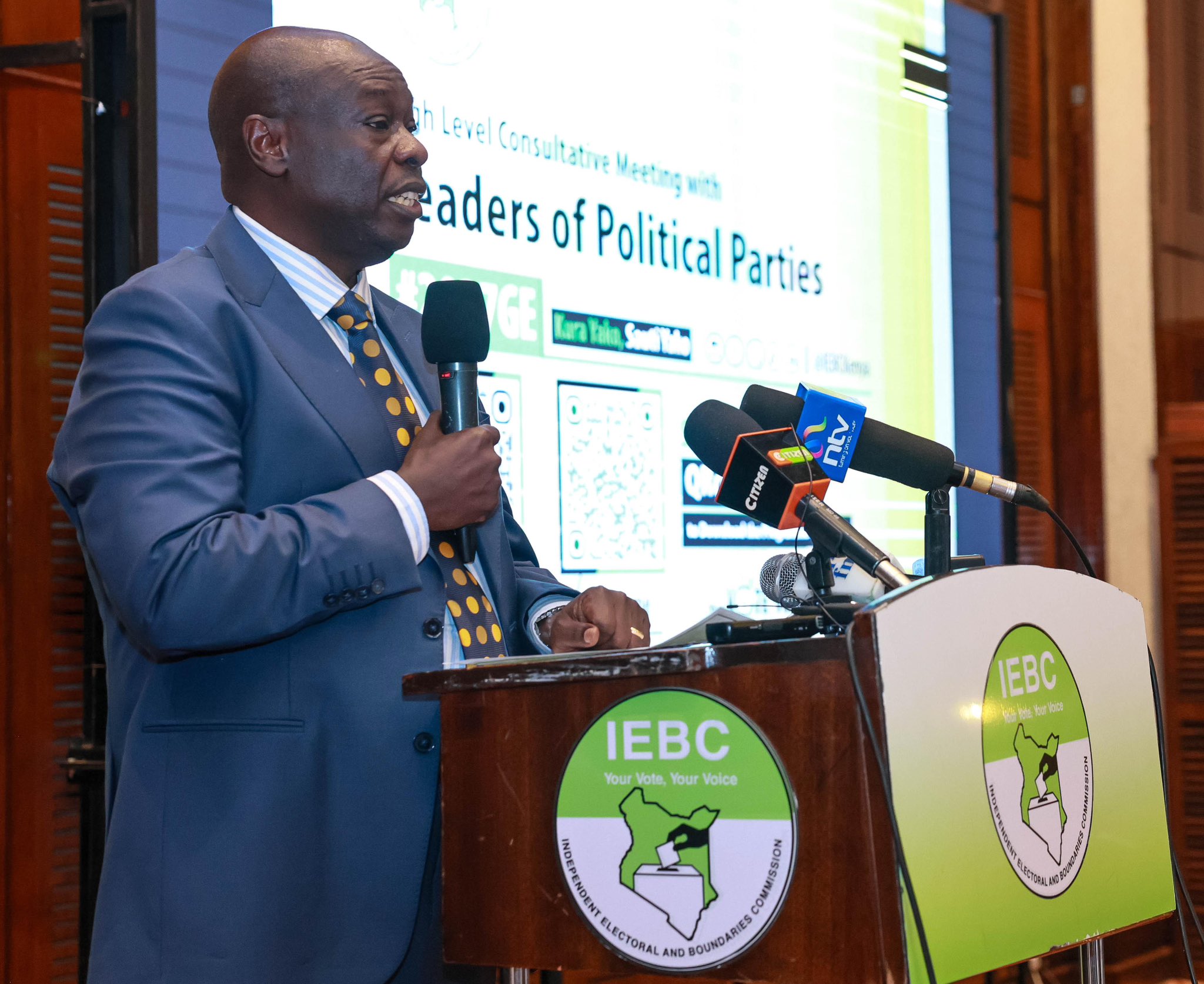
The Independent Electoral and Boundaries Commission (IEBC) has stated that politicians facing ongoing court proceedings cannot be automatically barred from contesting elections simply because their cases remain unresolved. The clarification, made during a political journalists’ forum and reported on 24 November 2026, directly addresses questions surrounding several high-profile figures removed from office through impeachment, including former Deputy President Rigathi Gachagua, former Nairobi Governor Mike Sonko, former Kiambu Governor Ferdinand Waititu, and former Meru Governor Kawira Mwangaza.
The commission emphasized that the presumption of innocence remains a core principle. Being investigated, charged, or having a case still before the courts does not equal a conviction. Individuals who meet the constitutional and statutory requirements for elective office stay eligible unless a final legal determination disqualifies them. IEBC also noted that even a person who has been convicted may remain eligible if they are actively pursuing an appeal or review and have not exhausted all available legal avenues.
What This Means for the Named Leaders
Rigathi Gachagua was impeached by the National Assembly and Senate in late 2024. The High Court upheld the impeachment in June 2026. He has since filed an appeal at the Court of Appeal and continues to lead the Democracy for the Citizens Party (DCP) while publicly declaring his intention to run for the presidency in the August 2027 General Election. Lawyers and the Law Society of Kenya have previously argued that, under the Constitution (including provisions in Article 99 on disqualification), a person remains eligible while appeals are still pending.
Kawira Mwangaza was removed as Meru Governor in August 2024 after the Senate upheld the county assembly’s impeachment decision. The High Court later rejected her challenge. Like Gachagua, her ability to contest in 2027 remains tied to the outcome of ongoing or further court processes.
Mike Sonko lost the Nairobi governorship in 2020. His main appeals were ultimately dismissed by the Supreme Court in 2022. He has remained politically active, including as leader of the National Economic Development Party (NEDP). Recent court rulings have declined to stop him from holding party leadership positions while related eligibility petitions continue. IEBC’s latest statement specifically referenced Sonko in the context of pending court matters.
Ferdinand Waititu was impeached as Kiambu governor in 2020. His legal challenges largely concluded earlier than those of the others. Any attempt by him to return to the ballot would still be assessed against the same constitutional criteria applied to all candidates.
The Broader Legal Uncertainty
While IEBC’s position on pending criminal or civil court cases is relatively clear, a separate and more specific question remains unresolved: whether impeachment itself immediately disqualifies a leader from seeking elective office, or whether that disqualification is suspended until all judicial challenges to the impeachment are finally concluded.
This exact issue is currently before the Supreme Court. Earlier in 2026, the court directed Attorney-General Dorcas Oduor to provide legal advice. As of the latest reports, the matter has not produced a final binding ruling. Constitutional lawyers note that the decision will set an important precedent on the relationship between Chapter Six integrity requirements, Articles 99 and 193 (qualifications for elective office), and the right to contest elections while appeals are live.
In previous election cycles, IEBC has disqualified some previously impeached candidates when the legal threshold was clearly met. In 2022, for example, the commission reviewed 241 individuals flagged by the Ethics and Anti-Corruption Commission and cleared the majority, disqualifying only five who satisfied the strict criteria for disqualification.
Why This Matters to Voters
For ordinary Kenyans, the practical effect is straightforward. Until a court issues a final, non-appealable decision that disqualifies a particular individual, IEBC is unlikely to reject their nomination papers solely on the basis of a pending impeachment challenge or related court case. This means voters in 2027 may see some of these familiar names on the ballot again.
It also means the final list of candidates will depend heavily on the progress of their individual court cases between now and the nomination period in 2027. A Supreme Court ruling that impeachment takes immediate effect could change the picture quickly. Conversely, a ruling that eligibility continues until all appeals are exhausted would open the door wider for political comebacks.
Voters are therefore advised to follow both the court calendars and IEBC’s official clearance process rather than relying on social media claims. The commission has repeatedly stressed that only it has the constitutional mandate to register candidates and that recommendations from bodies such as the EACC are considered but do not automatically result in disqualification.
The 2027 election cycle is still more than eight months away. Between now and then, further court decisions, possible appeals, and IEBC’s own clearance guidelines will determine whether Gachagua, Sonko, Waititu, Mwangaza, or others ultimately appear on the ballot. For now, the electoral body’s position is clear: a case that is still pending in court is not, by itself, enough to lock someone out of the race.