
Nairobi, November 11, 2026
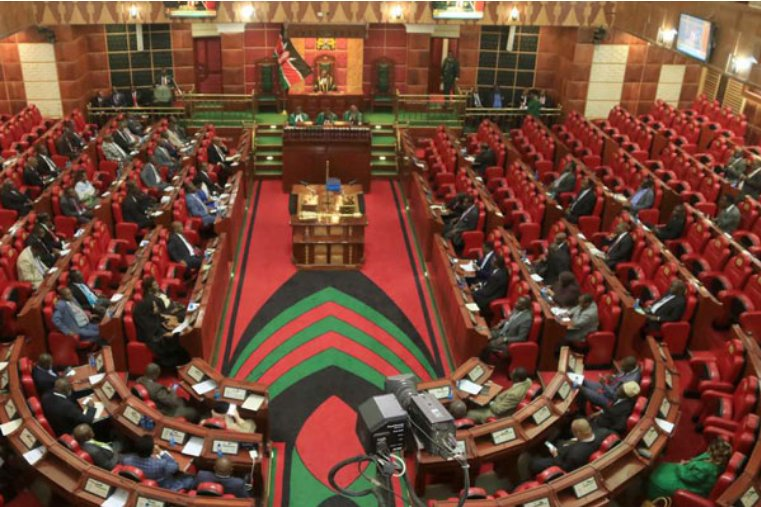
The National Assembly has passed the Health (Amendment) Bill, marking a significant step toward protecting the constitutional right to health and human dignity in Kenya’s hospitals.
Sponsored by Kirinyaga Woman Representative Hon. Jane Njeri Maina as a Private Member’s Bill (National Assembly Bill No. 56 of 2024), the legislation amends the Health Act (Cap. 241). It seeks to guarantee access to emergency medical treatment before any demand for payment and to make it an offence for healthcare facilities to detain patients or the bodies of deceased persons as a means of recovering unpaid medical bills. X
The Bill addresses long-standing complaints from Kenyan families. Hospitals have frequently required upfront payment before admitting or treating emergency cases and have withheld bodies until outstanding bills are settled. Maina has argued that such practices violate patients’ rights and turn hospitals into informal detention facilities. Courts have previously ruled that medical bills are civil debts recoverable through other means, not by holding remains as collateral. Parliament
Under the proposed changes, public healthcare facilities would be required to provide emergency treatment, covering care at the scene, during transport, and in hospital, without first demanding payment. Demanding prepayment for emergency care would attract a fine of up to KSh 3 million. Separately, any public officer who authorises or facilitates the detention of a body over unpaid bills would face a fine of up to KSh 2 million. Standardmedia
The Departmental Committee on Health, chaired by Seme MP Dr James Nyikal, had earlier reviewed the Bill and recommended its passage, with suggestions to strengthen its scope. During debate, MPs including Hon. John Kiarie and others backed the principle that emergency units should prioritise saving lives over checking a patient’s ability to pay. Nyikal summarised the intent as ensuring every Kenyan receives emergency care “whether you have money or not” at the critical moment between life and death. Parliament
Maina announced the passage on social media shortly after the vote, stating simply, “The National Assembly has passed the Health Amendment Bill!!” The Bill had previously advanced through first and second readings earlier in the year, with the committee completing its report and public participation processes.
The legislation is expected to ease the financial and emotional burden on families, particularly those unable to settle large hospital bills after emergencies or deaths. It aligns with broader Universal Health Coverage reforms and the right to the highest attainable standard of health under the Constitution. The Bill now proceeds to the Senate for consideration before it can be presented to the President for assent.
If enacted, the changes would mark one of the clearest statutory protections yet against the commercialisation of emergency care and the practice of detaining the dead over debt.