
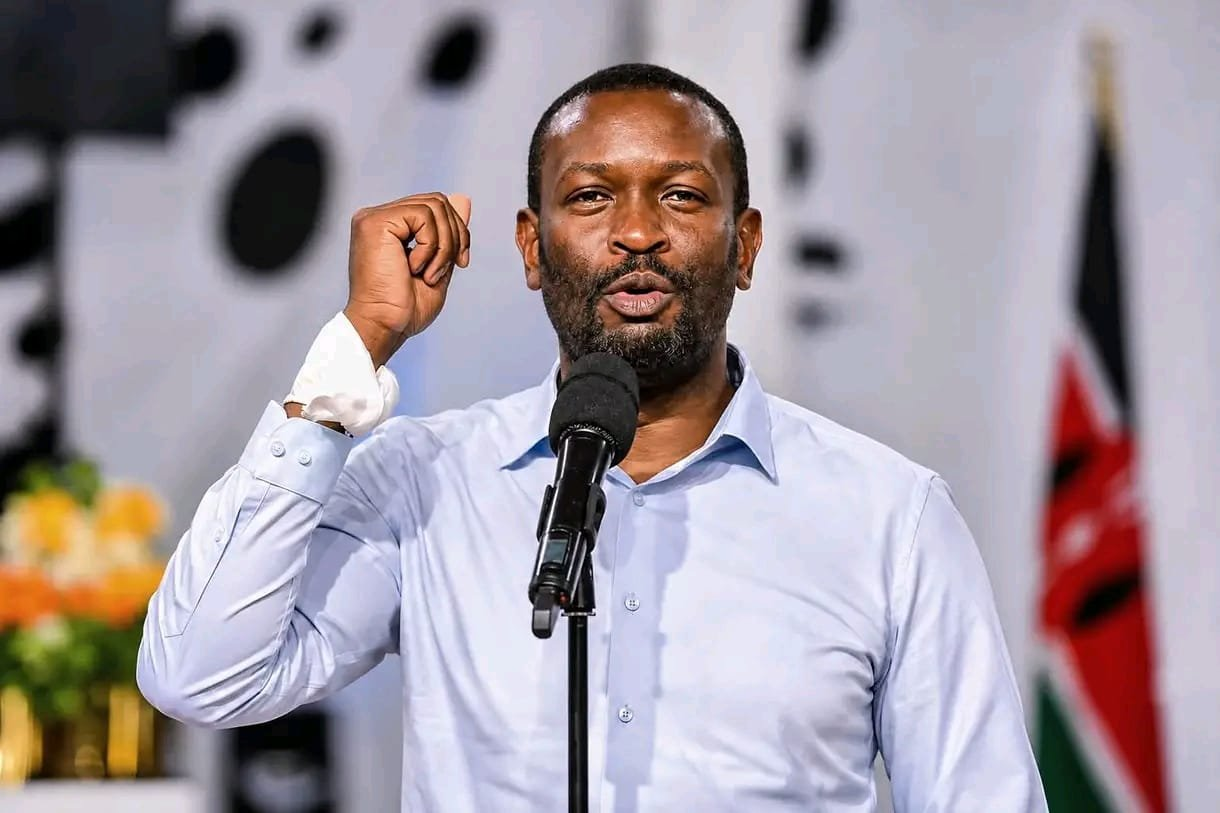
Nairobi Senator Edwin Sifuna, leader of the Linda Mwananchi Movement, is set to embark on a two-week tour of the United States from late November into early December 2026 to engage Kenyan expatriates, build networks, and mobilise resources as he positions himself for the 2027 presidential election.
The tour, organised under the Linda Mwananchi USA Diaspora Chapter, is scheduled to run from approximately November 20 to December 4 or 5. According to itineraries released by the movement and circulating widely, Sifuna is expected to arrive at Newark Liberty International Airport in New Jersey on November 20. His first major engagements are planned for Allentown, Pennsylvania, on November 22–23, followed by the Washington, DC metropolitan area (commonly known as the DMV, covering the District of Columbia, Maryland, and Virginia) from November 24–26.
He will then travel to Texas for stops in Dallas (November 27–28) and Houston (November 29–30), before concluding with engagements in Seattle, Washington, and locations across California from December 1 to 5. Specific activities include a fundraising dinner scheduled for November 24 at 7 p.m. and a Mwananchi Town Hall meeting on November 25, both at the Spark Hotel in Germantown, Maryland. Sifuna is expected to be accompanied by allies, including Vihiga Senator Godfrey Osotsi and Kisii Senator Richard Onyonka.
The trip forms part of a broader strategy by Linda Mwananchi to expand its organisational reach beyond Kenya’s borders. The movement has been establishing structures at home, including the recent opening of national headquarters in Lavington, Nairobi, and a National Delegates Convention planned around mid-November. Sifuna, who previously served as Orange Democratic Movement (ODM) secretary-general before a public fallout, has emerged as a prominent opposition voice challenging President William Ruto. Recent polling, including a TIFA survey, has placed him roughly level with Ruto at around 31 percent support in some surveys, underscoring the competitive landscape ahead of 2027.
Supporters of the tour describe it as essential outreach. They argue that the Kenyan diaspora represents a critical constituency for networks, ideas on leadership and economic transformation, and financial resources. Diaspora communities in the targeted cities maintain strong family, business, and cultural ties to Kenya and have historically played roles in funding political campaigns through remittances and organised contributions. Movement organisers frame the engagements as conversations on Kenya’s future, governance, and economic issues rather than pure campaigning.
Critics, however, have been more sceptical. On social media and in political commentary, the tour has been labelled “Mchango Diplomacy,” a term drawing on the Swahili word for fundraising or communal contributions, suggesting it prioritises collecting money from expatriates over substantive diplomatic engagement. Detractors point to reported difficulties in securing high-level meetings with US officials, members of Congress, or Republican figures, arguing that domestic political momentum in Kenya does not automatically translate into access in Washington.
The hashtag #ObamaSnubsSifuna has trended in some circles, mocking what critics portray as a lack of the high-profile reception or endorsement once associated with figures like former US President Barack Obama. Additional scrutiny has focused on a Washington-based lobbyist, Paul Lwali, who registered under the US Foreign Agents Registration Act (FARA) in August 2026 on behalf of Linda Mwananchi to advocate among the Kenyan diaspora and organise events. Social media posts have circulated claims of setbacks involving the lobbyist, including references to an arrest or related complications, though mainstream reporting has primarily confirmed the registration itself rather than subsequent legal actions.
Observers note the broader context of Kenya’s close bilateral ties with the United States under President Ruto’s administration, spanning security, trade, investment, and regional cooperation. Some commentators speculate that Washington may be cautious about high-level engagement with opposition figures to avoid complicating relations with the Kenyan government. Similar diaspora tours by other opposition leaders, such as former Deputy President Rigathi Gachagua earlier in 2026, have set a precedent, but critics warn that returning without notable endorsements or official meetings could risk political embarrassment at home.
The tour comes as political activity intensifies across Kenya’s opposition landscape, with figures including Sifuna, Kalonzo Musyoka of the Wiper Party, and others exploring cooperation or competing for influence ahead of 2027. While fundraising dinners and town halls are expected to generate resources and visibility among expatriates, the ultimate measure of success, according to both supporters and detractors, will lie in whether the engagements produce lasting networks, tangible support, and any meaningful international traction beyond the diaspora community itself.
As Sifuna prepares to depart in the coming days, the US itinerary highlights the growing importance of the diaspora in Kenyan electoral politics while exposing the challenges opposition leaders face in converting domestic profile into broader diplomatic or financial gains.
You might like this