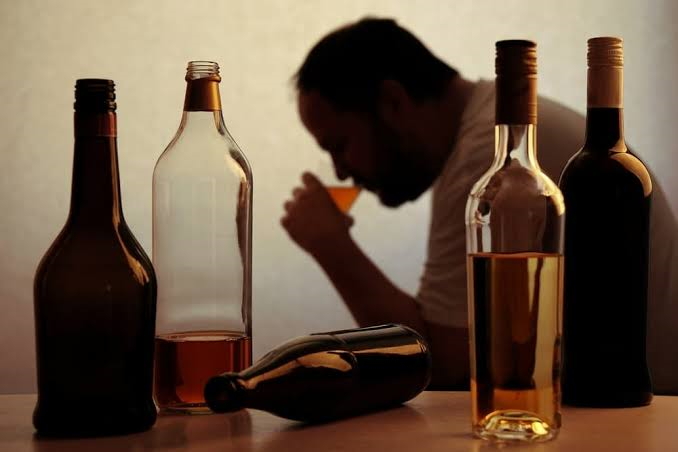
Kenyans may soon lose the ability to buy their favourite alcoholic drinks in supermarkets, restaurants, and many other public spaces if Parliament passes the Alcoholic Drinks and Drugs Control Laws (Amendment) Bill, 2026. The government-sponsored legislation, tabled by National Assembly Majority Leader Kimani Ichung’wah, also seeks to raise the legal drinking and purchasing age from 18 to 21 years and introduces sweeping new restrictions on manufacturers, sellers, and consumers. Nation
The Bill, which amends the Alcoholic Drinks Control Act (Cap 121) and is listed as National Assembly Bill No. 63 of 2026, received its First Reading on Thursday, November 5, 2026, and has been committed to the Departmental Committee on Administration and Internal Security for consideration and public participation. It forms part of ongoing government efforts to tackle illicit alcohol, youth drinking, and related public health and economic problems. X
Key Proposals
Under the proposed law, licensed premises would be barred from allowing anyone under 21 years of age to enter, “whether alone or accompanied.” Sellers would also be prohibited from knowingly selling alcohol to an adult who is accompanied by someone under 21. Penalties for selling to under-21s could reach a fine of up to Sh150,000, imprisonment for up to one year, or both. Tech-ish
The Bill would outlaw the sale of alcoholic drinks in a wide range of locations, including:
- Supermarkets and retail outlets associated with children’s merchandise
- Restaurants
- Residential premises
- Schools, universities, colleges, and other institutions of higher learning
- Public beaches, parks, cinemas, hospitals, sports facilities, bus parks and stops, petrol stations, railway and ferry stations, and public transport (trains, buses, aeroplanes, ferries, or boats)
A 300-metre buffer zone around learning institutions serving people under 21 would apply, potentially forcing the closure or relocation of thousands of bars and outlets near schools. Sales through online platforms, home delivery, courier services, hawking, and vending machines would also be banned. Existing licence holders in affected categories would generally have up to three months after the law comes into force (or until their current licence expires, whichever is earlier) to dispose of stock. The-star
Consumption of alcoholic drinks in public places would be prohibited. The manufacture, sale, use, advertising, and promotion of shisha and nicotine pouches would be banned outright. Online advertising and promotion of alcoholic drinks or alcohol-related brand elements would also be outlawed, with an Alcoholic Drinks Promotions Regulation Committee established to vet and approve advertisements in other media. The-star
Additional Controls, Levy, and Penalties
Transportation of alcoholic drinks for distribution would be restricted to between 6 a.m. and 6 p.m., and commercial distribution vehicles would be required to carry prescribed branding. Manufacturers and importers would pay a solatium (or solarium) compensatory levy of Sh2 per litre on all alcoholic drinks, payable to the Kenya Revenue Authority by the 10th of the following month. Proceeds would support the National Authority for the Campaign Against Alcohol and Drug Abuse (Nacada), a new National Alcoholic Drinks Control Committee, and civil society programmes (with at least 50% of the fund’s annual income allocated to the National Committee and at least 15% to civil society). The-star
The general penalty under the principal Act would rise sharply from the current maximum of Sh500,000 or three years’ imprisonment to a maximum fine of Sh10 million or five years in prison, or both. Specific offences carry other high penalties, including asset seizure for unlicensed dealings. The Bill also proposes institutional changes, including a new National Alcoholic Drinks Control Committee (chaired by the Principal Secretary for Internal Security), strengthened County Alcoholic Drinks Licensing Committees, mandatory product registration and track-and-trace systems, and amendments to the Pharmacy and Poisons Act and Tobacco Control Act to cover a wider range of nicotine and related products. The-star
Public officers involved in enforcement would be barred from owning or operating alcohol outlets, directly or through proxies. Landlords would face restrictions on leasing premises for alcohol-related activities in residential areas or near learning institutions.
Government Rationale and Context
Speaking in the House, Ichung’wah defended the age increase, saying many 18-year-olds are “still very young and unable to make conscious decisions about what is good or bad in their lives.” He acknowledged likely opposition from manufacturers and promoters but argued that early drinking contributes to overindulgence among youth. In a post on X, he framed the Bill as a response to the “devastating impact of alcohol and drug abuse on our youth and society,” calling for robust public participation. X
The proposals come amid heightened government focus on illicit alcohol. Deputy President Kithure Kindiki has described alcohol and drug abuse as a threat to economic productivity and public health, with multi-agency raids recently intensified. Nacada data has highlighted high consumption rates among university students and the role of online advertising and celebrity endorsements in early initiation. Previous policy ideas from Nacada faced public backlash and were clarified as non-binding roadmaps. Nation
If passed by the National Assembly, the bill would proceed to the Senate (because it affects county governments) before going to the President for assent. It would generally take effect 14 days after publication in the Kenya Gazette. The Departmental Committee is expected to invite public views, giving stakeholders, including the alcohol industry, retailers, youth groups, and public health advocates, an opportunity to influence the final shape of the legislation.
The wide-ranging nature of the proposals is already drawing commentary on social media and in the press, with some questioning enforcement practicality (particularly around online sales and age verification) and others welcoming stronger action against illicit brews and youth access.