
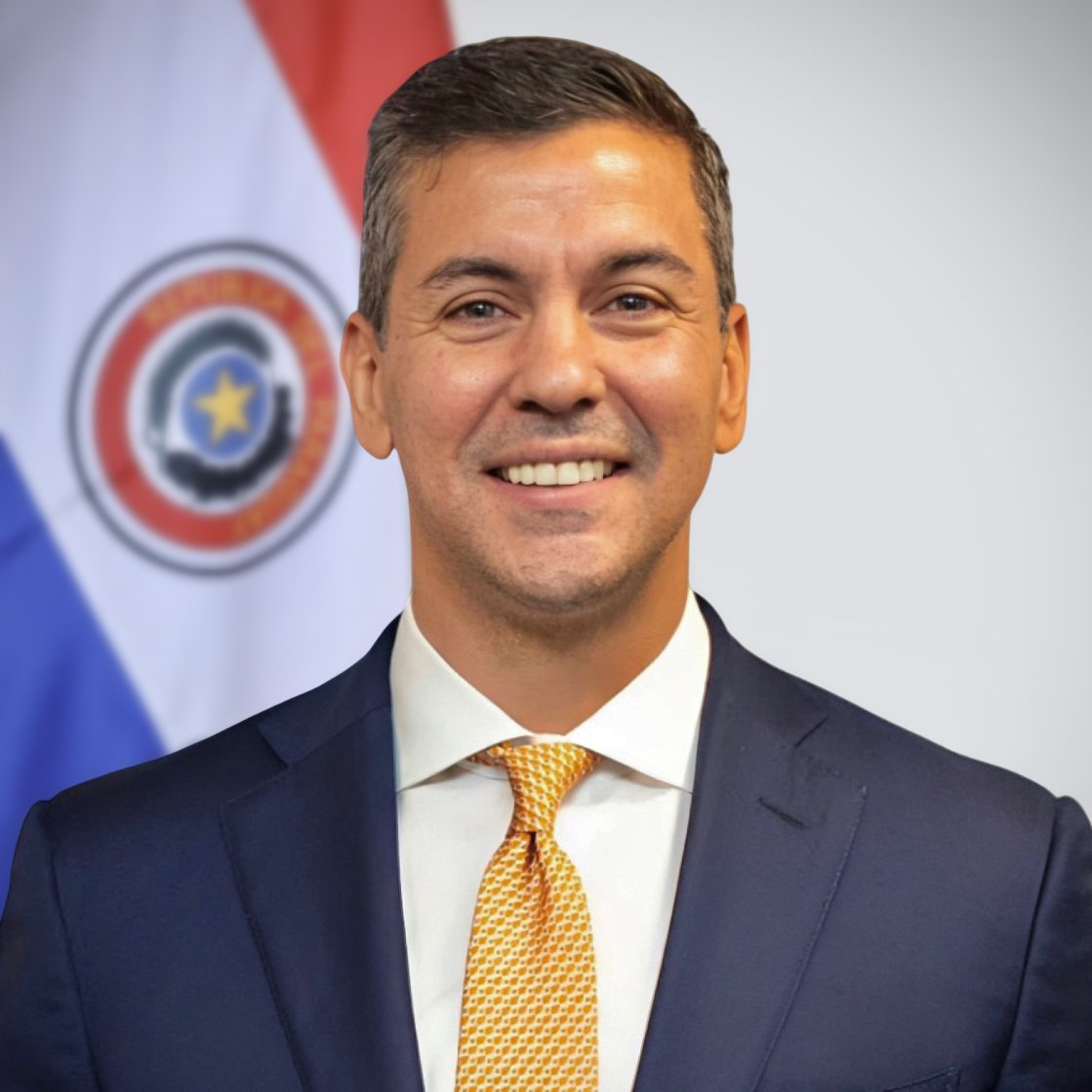
ASUNCIÓN, Paraguay (November 5–6, 2026)
Paraguayan President Santiago Peña tendered his resignation on Thursday following the collapse of Ueno Bank, a fast-growing digital lender whose failure locked out nearly three million customers, roughly 60% of the country’s adult population, and froze hundreds of millions of dollars in public and pension funds. Congress has not accepted the resignation. Lawmakers instead advanced impeachment charges, leaving Peña formally in office while he faces potential removal and the loss of parliamentary immunity.
In a video address posted to social media, Peña stated, “I have made the decision to submit my resignation as president of the republic. I do so thinking of the stability of our country, social peace, and the need to preserve our democratic institutions.” He added an apology: “I want to apologize to the people if at any point I failed. It was never my intention to betray the trust you placed in me,” and expressed his priority that depositors recover their funds and that public resources be protected. Interior Minister Enrique Riera formally delivered the resignation letter to Congress.
The Ueno Bank Crisis
The Central Bank of Paraguay (BCP) intervened on November 2–3 after finding Ueno’s solvency ratio had fallen below half the regulatory minimum (reported in some accounts as low as 5.56% against a 12% requirement). Adjustments during a regularization process revealed excessive related-party lending to companies linked to the controlling Grupo Vázquez, poorly documented loans, and accounting issues that eroded capital. Services, including the app, cards, and transfers, were immediately suspended.
Ueno, which expanded rapidly from a finance company into a major digital player after becoming a bank around late 2023, held approximately $800–850 million in public-sector deposits. This included roughly $355–380 million from the Social Security Institute (IPS), which manages pensions and healthcare for most workers, plus funds linked to state entities and hydroelectric projects. Roughly 32,000 retirees received pensions through the bank. The Deposit Guarantee Fund covers up to about 228 million guaraníes (~$38,000) per depositor; authorities said around 97% of individual depositors fall within the limit, with payout processes underway. Eight Ueno executives, including senior figures from the Vázquez group, were detained amid criminal investigations into possible fraud or misuse of resources. Central Bank President Carlos Carvallo, previously linked to Ueno’s predecessor, resigned earlier in the week.
Protests erupted in Asunción, with demonstrators demanding access to savings and Peña’s removal. Police used tear gas and water cannons in some confrontations near Congress and other sites. Queues formed at other banks amid broader anxiety over the financial system. International observers noted pressure on the currency and Paraguayan bond prices, though regulators described the case as isolated given the broader system’s capital levels.
Peña’s Ties and Political Fallout
Peña, an economist and former IMF official who took office in August 2023 as a Colorado Party candidate, held a minority stake (around 1.58%) in Ueno Holding until he sold it in March/April 2025. Critics alleged conflicts of interest, pointing to increased government deposits at the bank during his term, his appointment of Carvallo, and alleged failures in oversight. Peña has denied impropriety, describing his involvement as a private investment he had already exited. He is viewed as a pro-business conservative and ally of U.S. President Donald Trump.
The crisis cost him support even within the long-dominant Colorado Party. Former President Horacio Cartes, a powerful party figure and once Peña’s mentor, backed impeachment. Opposition lawmakers and some party dissidents accused Peña of systematic misconduct, conflicts of interest, misuse or preferential treatment involving pension funds, and institutional cover-ups.
Congressional Maneuvering
Shortly after the resignation announcement, the Chamber of Deputies voted 78–0 to approve impeachment charges against Peña and send them to the Senate. A parallel motion against Vice President Pedro Alliana was rejected. Alliana, next in the line of succession, would complete the term through August 15, 2028, if Peña departs.
A joint session of Congress to consider accepting the resignation failed due to lack of quorum after Colorado Party legislators walked out during the vote. Reports indicated the Senate portion produced a majority against acceptance (one account cited 24 reject to 20 accept). Opposition figures and others argued that accepting the resignation would automatically make Peña a senator for life under Paraguay’s Constitution, granting him parliamentary immunity that would complicate criminal prosecution. Proceeding with impeachment removes that shield if he is removed. Prosecutors have opened a criminal investigation into Peña’s role.
Peña later posted that, given the continuation of the process, he would appear and exercise his right to defense “with arguments and evidence, with respect to the Constitution and the institutions of the Republic.” He pledged cooperation with investigations. Officials denied rumors he had left the country; he was reported at his residence. The Senate was expected to continue proceedings, with Peña scheduled to present his defense as early as Friday. Removal requires 30 of 45 Senate votes.
The episode echoes past Paraguayan crises, including the 2012 rapid impeachment of President Fernando Lugo, but occurs against a backdrop of a once-stable, investment-attracting economy now under scrutiny over financial oversight and political ties to a major bank. Depositors await full resolution of accounts and any residual recoveries beyond the guarantee fund, while the political succession and legal accountability for the collapse remain in flux.