NAIROBI, Kenya – October 27, 2026
The High Court in Kajiado has declared that the personal branding of projects funded by public resources violates Kenya’s constitutional principles on the use of public resources and national values of governance. The court ordered the removal of politicians’ names and personal branding from publicly funded projects in Kajiado North. ynews.digital
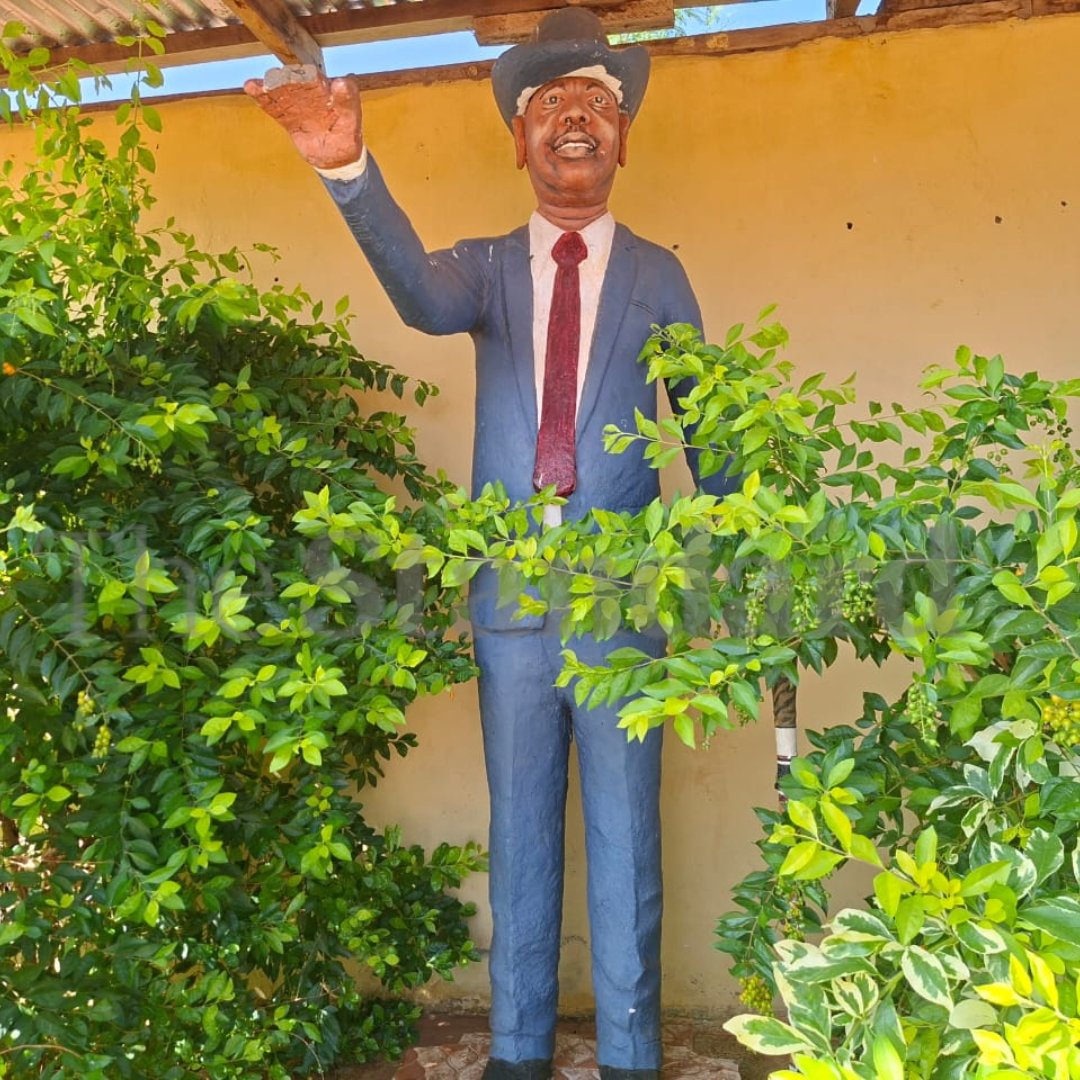
In its ruling, the court drew a clear line between legitimate public communication of development work and the conversion of taxpayer-funded infrastructure into platforms for personal political visibility. It held that branding roads, schools, dispensaries, and other public facilities with an individual politician’s name, image, or slogans undermines accountability and can mislead the public about who financed and implemented the projects. allafrica.com
Background of the Case
The petition was filed by Shadrack Wambui through the civil society group Sheria Mtaani against Kajiado North Member of Parliament Onesmus Ngogoyo (also referred to as Onesmus Nguro Ngogoyo). Wambui alleged that public infrastructure in the constituency had been turned into personal political billboards, with the legislator’s name, portrait, and slogans appearing on projects—including some that were reportedly initiated before he assumed office. ynews.digital
The petitioner argued that such practices blurred the distinction between public institutions and individual elected leaders, creating the false impression that developments paid for by taxpayers were personal achievements of a politician. The case raised broader questions about the ethical use of public funds, electoral integrity, and the constitutional duties of public officers under Kenya’s 2010 Constitution. citizen.digital
Court’s Findings and Orders
While declaring personal branding of publicly financed projects unconstitutional, the court found that the petitioner had not sufficiently proved that MP Ngogoyo personally, or through his agents or servants, authorized the disputed signage.
“I am not satisfied that the petitioner has discharged the burden of proof that he, whether by himself or through his agents or servants, allowed the signage to be put on taxpayer-funded projects,” the court stated. ynews.digital
Despite this finding on personal liability for the specific instances cited, the court issued orders directing the removal of personal name branding from publicly funded projects in Kajiado North. It affirmed that such branding violates constitutional principles governing the management and use of public resources. allafrica.com
Implications
The decision reinforces the principle that publicly funded infrastructure belongs to the public, not individual politicians. It highlights ongoing concerns about the personalization of development projects, a practice that civil society groups and oversight bodies have previously flagged as potentially misleading and contrary to standards of leadership and integrity.
By separating the general constitutional prohibition from the question of individual responsibility in this specific case, the ruling sets a precedent that may influence similar disputes elsewhere while underscoring the need for evidence when attributing actions to particular officials.
Authorities and local administrators in Kajiado North are now expected to comply with the order to remove the branding. The ruling is likely to spark wider debate about how elected leaders communicate their roles in development without appropriating public assets for political branding.