
Nairobi, Kenya – October 27, 2026
Kenya’s National Treasury has disclosed that taxpayers could face a maximum liability of Sh180.73 billion if the government terminates the 30-year public-private partnership (PPP) contracts for the Rironi–Mau Summit highway project. Businessdailyafrica
According to figures in the draft 2027 Budget Policy Statement, this exposure accounts for nearly 44 percent of the total Sh413.81 billion contingent liability attached to the early termination of existing and advanced PPP projects for the financial year beginning July 2027. The figure is broken down by section: approximately Sh93.38 billion for the Rironi–Naivasha–Gilgil and Rironi–Mai Mahiu–Naivasha stretches, and Sh87.35 billion for the Gilgil–Nakuru–Mau Summit section. Pulse
Treasury officials have emphasised that these amounts represent the maximum hypothetical compensation payable under contractual early-termination clauses, not an immediate or expected budgetary outlay. Such clauses are standard in long-term PPP agreements to protect private investors against arbitrary cancellation, policy shifts, or state default.
Background: From French Deal to Chinese Consortia
The current contracts replaced an earlier PPP arrangement with a French consortium (Vinci Highways, Vinci Concessions and Meridiam Infrastructure Africa Fund) valued at roughly Sh190 billion. That deal was terminated in 2025 after prolonged negotiations failed over fiscal risks. Under the French structure, the government would have faced availability payments of about Sh23 billion annually (roughly Sh299 billion over 13 years) while the private partners collected tolls. The administration paid approximately Sh7.3 billion in compensation following the cancellation and shifted to a user-pay toll model with Chinese partners, which it argued reduced the overall cost and shifted more risk away from the public purse. Businessdailyafrica
Under the present arrangements:
- China Road and Bridge Corporation (CRBC) in partnership with the National Social Security Fund (NSSF) is handling sections including Rironi–Naivasha–Gilgil and related links (project cost around Sh96 billion).
- Shandong Hi-Speed Road and Bridge International is responsible for the Gilgil–Nakuru–Mau Summit section (around Sh86 billion).
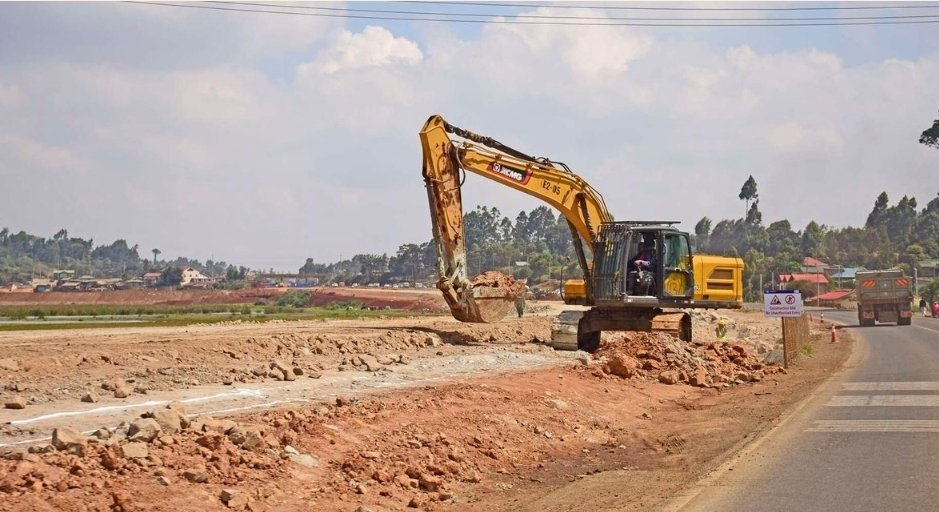
The corridor is being upgraded to dual carriageway standards under 30-year design-build-finance-operate-maintain-transfer concessions. Motorists are expected to pay roughly Sh8 to Sh8.50 per kilometre once tolling begins. Construction is under way, with the government targeting substantial completion around mid-2027 (President Ruto has cited an April 2027 opening for the first phase). Early sections have progressed, and KeNHA has sought independent verification of works and costs.
Implications and Context
The disclosure highlights the scale of contingent liabilities embedded in Kenya’s growing PPP portfolio. While the current Chinese-led deals were structured to avoid the large fixed government payments of the previous model, early termination would still trigger substantial compensation covering investment recovery, lost profits, and other contractual entitlements. The road is a critical part of the Northern Corridor linking Nairobi to the Rift Valley and western Kenya, intended to ease chronic congestion.
No indication has emerged that the government intends to cancel the current contracts; the figures form part of routine fiscal risk reporting. Nonetheless, the Sh180 billion exposure has drawn public attention amid ongoing debates over toll levels, the long concession periods, and the overall cost of infrastructure delivery. Motorists’ associations have previously questioned the toll model and proposed alternatives such as temporary fuel-levy contributions.
As construction continues and the first phases near partial opening, the Treasury’s risk matrix underscores the long-term financial stakes attached to these agreements. Any future decision to exit would carry significant budgetary consequences, reinforcing the importance of careful contract management over the 30-year term.