NAIROBI, October 21, 2026 — The Kenyan government has elevated the manufacture, distribution, sale, and consumption of illicit alcohol to the status of a major national threat, ranking it among the top dangers to the country’s future and establishing a permanent coordinating secretariat in the Office of the Deputy President.
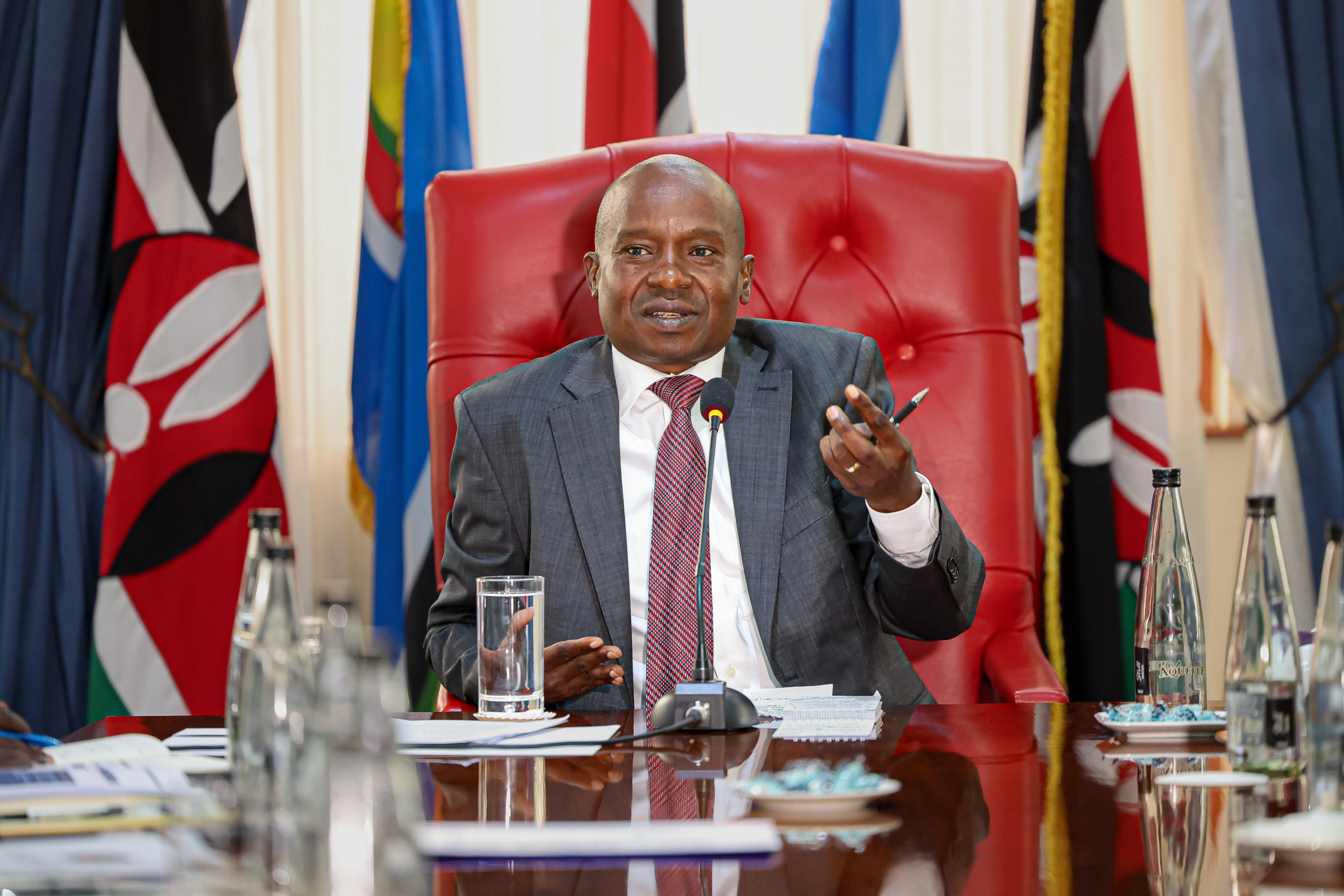
Deputy President Kithure Kindiki announced the measures on Wednesday following a high-level security meeting at his official residence in Karen. He described the illicit alcohol crisis as capable of wiping out national gains, stating: “We have classified this matter as among the top three threats to Kenya’s future. This alcohol menace can wipe out all the gains we have made as a country.” He emphasized that the effort targets criminal networks rather than legitimate businesses, with the goal of protecting the nation, particularly its youth.
A permanent multi-agency coordinating mechanism, based at Harambee House Annex (also referenced as the sixth floor of Harambee House), will now oversee the campaign on a continuous basis. The secretariat brings together security agencies, regulatory bodies and government ministries, including the National Police Service, NACADA, the Kenya Bureau of Standards (KEBS), the Anti-Counterfeit Authority and others, to improve intelligence-sharing and enforcement.
Kindiki reported that intensified multi-agency operations over the previous 10 days yielded nine successful raids on premises dealing in illicit ethanol and 116 additional raids on illegal brews that failed to meet public health and quality standards. He directed law enforcement agencies to bolster support for NACADA and demanded higher success rates in the crackdown.
Further measures include the finalization of tougher legislative proposals aimed at manufacturers, distributors and enablers of chemical-laced alcoholic drinks. These include laws on asset forfeiture and the seizure of funds and property linked to the cartels, with recovered proceeds earmarked for the rehabilitation of addicts. Traditional brews that meet KEBS standards will be formalized and licensed. A framework for involving local communities in the fight is scheduled for release next week.
The government has also classified the illicit alcohol trade as organized crime, placing it alongside threats such as terrorism and banditry. The moves form part of a broader, sustained whole-of-government response that has intensified in recent months under directives from the highest levels.
The meeting involved the Inspector General of Police, the Director of Public Prosecutions, representatives of the Council of Governors, principal secretaries and heads of relevant agencies. Kindiki stressed that the campaign would remain free of political interference.