
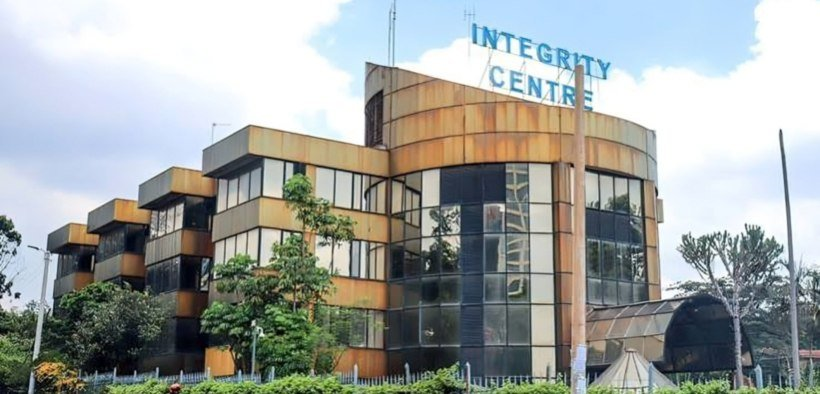
The Ethics and Anti-Corruption Commission (EACC) has secured a major civil recovery victory after the High Court ordered former government accountant Andrew Biketi Musuya to forfeit assets valued at Sh207,741,928. Justice Rose Ougo of the Anti-Corruption and Economic Crimes Court ruled that Musuya failed to satisfactorily explain how he accumulated wealth far beyond his known legitimate income while serving in public office.
Musuya worked as an accountant at the Ministry of Public Health and Sanitation and later as a principal accountant at the County Government of Trans Nzoia. Between January 1, 2013, and October 31, 2018, investigators established that he accumulated assets and funds totaling approximately Sh289.9 million. His known legitimate earnings over the same period, primarily from his public salaries and allowances, stood at roughly Sh5.8 million.
The court found that the EACC had discharged its initial burden of showing wealth disproportionate to known sources of income. Once that threshold was crossed, the burden shifted to Musuya to provide a satisfactory explanation. He cited farming, consultancy work, loans, a club business, and rental income. Justice Ougo rejected these accounts, noting that the evidence did not adequately link the claimed sources to the funds used to acquire or develop the assets. Merely identifying possible sources of income was insufficient.
The forfeited assets include:
- Two five-storey apartment blocks and a five-bedroom townhouse in Mtwapa, Mombasa County
- Seven undeveloped land parcels in Mombasa and Bungoma
- Bank deposits and M-Pesa funds totaling about Sh53.5 million
- Two motor vehicles (including a Toyota saloon registered to Musuya and a Toyota Harrier registered to an interested party) valued at roughly Sh4 million
The properties alone were valued at approximately Sh150.2 million. One Bungoma parcel acquired in 2008, before the investigation period, was excluded. The court also dismissed a claim over a Toyota Prado held by a third party due to insufficient evidence.
The case was brought under Section 55 of the Anti-Corruption and Economic Crimes Act, which permits recovery of unexplained assets after a person is given an opportunity to account for them. EACC filed the suit in 2019 following investigations that included freezing orders on bank accounts. The commission had sought recovery of about Sh284.1 million; the court ordered forfeiture of Sh207.7 million and directed that the value of recovered assets be credited against that ceiling to avoid double recovery. Title documents and vehicle logbooks are to be surrendered.
This civil forfeiture is designed to recover public resources without requiring a criminal conviction. EACC has described the ruling as part of its ongoing efforts to reclaim unexplained wealth and protect public funds. The judgment, delivered on October 8, 2026, was publicly announced by the commission in mid-October.
The case highlights the gap that can open between a public officer’s declared salary and the lifestyle or assets they accumulate—and the tools available to close it.