
NAIROBI
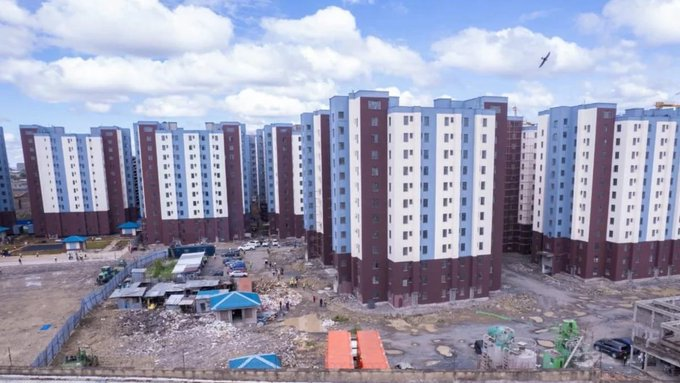
Residents of the Mukuru Met Site, a flagship development under Kenya’s Boma Yangu affordable housing program, say they have gone without running water for five months, forcing them to fetch supplies from outside the estate and haul heavy containers up multiple floors.
The project in South B, off Enterprise Road, comprises 13,248 units, including bedsitters, one-bedroom, and two-bedroom apartments, and was designed with modern amenities such as lifts, underground water storage tanks, stormwater drainage, and sewer connections. Yet tenants report that taps remain dry, turning basic tasks like cooking, cleaning, and bathing into daily struggles. The burden falls especially hard on children, the elderly, and people with disabilities who cannot easily climb stairs or carry water.
Residents say they have repeatedly complained to estate management without response. Lifts, meant to ease access in the tall blocks, frequently break down or fail when loaded with jerrycans, leaving people to climb as high as the 10th floor or beyond with containers. Some have described the situation as “Ghetto Za Mawe,” concrete slums, arguing that high-rise buildings without reliable water pumps and backup systems are unsuitable for affordable housing.
While Nairobi faces periodic city-wide water shortages, tenants at Mukuru view the prolonged outage as a failure of planning and infrastructure within the estate itself, not solely an external supply problem. The development was promoted as a dignified alternative to informal settlements, with phased handovers by President William Ruto that have placed thousands of families in the units over the past year. Amenities such as schools, a hospital, shopping facilities, and a large water tank were also highlighted during official events.
The water crisis has drawn attention amid ongoing debates about the Affordable Housing Program’s delivery. Critics argue that rushed construction and inadequate utility planning undermine the goal of improving living conditions for low-income households. Authorities have not publicly detailed a timeline for restoring consistent supply at the site.
For prospective tenants and the wider public, the complaints underscore the need to verify essential services before moving in, even in government-backed developments marketed with modern features. As more units are allocated and occupied, reliable water, functional lifts, and responsive management remain critical to whether the Mukuru Met Site delivers on its promise of affordable, livable housing.