
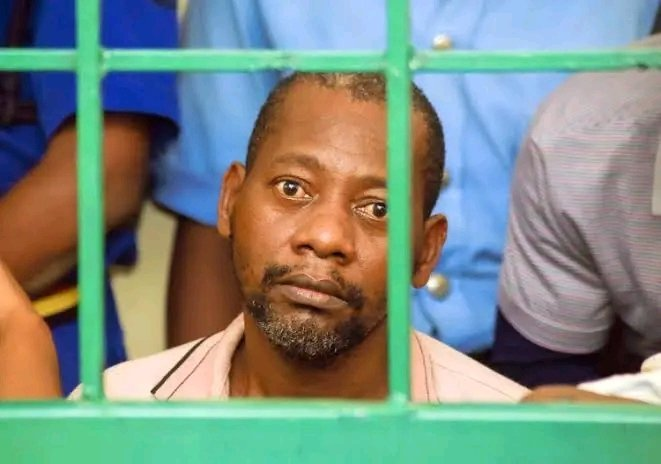
Mombasa, Kenya — November 6, 2026
In a landmark ruling that closed a chapter on one of Kenya’s darkest modern tragedies, the High Court in Mombasa sentenced self-proclaimed pastor and doomsday cult leader Paul Nthenge Mackenzie to 200 years in prison for his role in the deaths of 191 people, 190 of them children, in the Shakahola forest massacre.
Lady Justice Diana Kavedza (also referred to in some reports as Mochache) imposed the sentence after convicting Mackenzie and 28 co-accused on October 19 of 191 counts of murder. Prosecutors had sought the death penalty for Mackenzie, citing the scale of the crimes and his lack of remorse. The court instead structured the term as two groups of concurrent 100-year sentences (one covering the bulk of starvation-related murders and another for a smaller number of direct homicides involving violence), to run consecutively for a total of 200 years. Mackenzie, a former taxi driver who founded Good News International Ministries around 2003, appeared in court in a striped polo shirt as the judgment was delivered.
The Rise of the Cult and the Move to Shakahola
Mackenzie built his following through extreme teachings that rejected formal education, modern medicine, government institutions, and digital identification as satanic or “the mark of the devil.” He operated a television station broadcasting his sermons and gradually isolated adherents. After authorities shut down his main church in 2019, he directed followers from across Kenya to relocate to a remote stretch of land in Shakahola forest near Malindi in Kilifi County — an area he described as a “wilderness prepared by God.”
The settlement, spanning hundreds to thousands of acres and subdivided into biblical-named villages such as Galilee, Bethlehem, and Judea, operated under a rigid hierarchy with Mackenzie at the top, assisted by deputy pastors, enforcers, and grave diggers. From roughly 2020 onward, and intensifying into 2021–2023, he ordered a phased program of fatal fasting so followers could “meet Jesus” before an expected end of the world: children first, followed by youth, women, and finally men. Those who resisted were to be forced “through kicks and blows.” Burials of the dead were described as “weddings” with Jesus. Followers were barred from seeking medical care or sending children to school; parents withdrew their children, sold property, and cut ties with the outside world.
Discovery, Exhumations, and the Scale of the Tragedy
The horror came to light in March 2023 after a local report to police about children being starved to death. Mackenzie was arrested in April 2023. Over the following months, investigators exhumed 429 bodies from shallow graves in four phases of recovery operations between April and July 2023. Most victims were children under 16. Post-mortem examinations, overseen by Chief Government Pathologist Dr. Johansen Oduor, attributed the majority of the 191 deaths charged in this case to starvation or related complications; others showed signs of asphyxia, manual neck compression, or traumatic head injury. Many bodies were too decomposed for a precise cause to be determined. Additional bodies have been linked to the cult, including later discoveries, bringing the overall death toll well above 400.
The case exposed failures of oversight. Mackenzie had previously faced charges related to radicalization and other issues but continued operating. Survivors described severe malnutrition, coercion, and isolation. One co-accused later testified about the use of force against resisters. Enos Amanya Ngala, a former associate and grave digger, pleaded guilty to the 191 counts and cooperated with prosecutors.
The Trial and Conviction
The trial featured testimony from approximately 120 prosecution witnesses (including survivors, investigators, medical experts, and forensic specialists) against nine defence witnesses. Mackenzie and most co-accused pleaded not guilty, insisting the fasting was voluntary and that no one was forced. Justice Kavedza rejected this defence in an eight-hour judgment running roughly 1,000 pages. She ruled that the prosecution had proved an organised system of religious radicalisation, hierarchical enforcement, and deadly directives beyond reasonable doubt. Children could not meaningfully consent to fatal fasting, and parents had a legal duty to protect them. The court described Mackenzie’s followers as viewing him as “Jesus’s mouthpiece” and the group as operating a hyper-authoritarian structure. The conduct was also found to meet the definition of an extreme belief system under anti-terrorism provisions.
Two of the original accused died during proceedings; charges against them were withdrawn. The remaining 29 (including Mackenzie and his deputy Smart Deri Mwakalama) were convicted individually and collectively under the Penal Code.
Sentencing Submissions and the Judgment Today
In early November mitigation hearings, Mackenzie and the co-accused, through their lawyers, asked for mercy, citing personal circumstances, time already spent in custody, and claims of changed outlook. They proposed terms of no more than about 10 years. Prosecutors, led by Deputy Director of Public Prosecutions Jami Yamina, argued for the death penalty for Mackenzie under Section 204 of the Penal Code and the Supreme Court’s Muruatetu guidelines, which restored judicial discretion on murder sentences. They pointed to the gravity of the offences, the number of child victims, the organised nature of the killings, and the absence of genuine remorse. Life sentences were sought for the co-accused, who they said remained a risk due to deep indoctrination. Kenya retains the death penalty in law but has not carried out an execution since 1987.
Today’s 200-year sentence for Mackenzie effectively ensures he will die in prison. Details of the exact terms imposed on the 28 co-accused were still emerging, but they faced similarly severe custodial sentences reflecting their roles in enforcement and facilitation. Mackenzie and others continue to face separate proceedings on charges including terrorism, radicalisation, manslaughter, and child-related offences. Investigations into additional deaths linked to the cult remain ongoing.
The Shakahola case has gripped Kenya for more than three years, prompting national soul-searching about religious extremism, child protection, and regulatory gaps around churches. Families of victims, some of whom lost multiple children, have described the sentence as a measure of justice, though many say no punishment can fully restore what was taken. Mackenzie’s lawyers have indicated plans to appeal.Mombasa, Kenya — November 6, 2026
The High Court in Mombasa today sentenced self-proclaimed pastor and doomsday cult leader Paul Nthenge Mackenzie to 200 years in prison for his central role in the deaths of 191 people — 190 of them children — in the Shakahola forest massacre. Lady Justice Diana Kavedza (referred to in some coverage as Mochache) imposed the term after convicting Mackenzie and 28 co-accused last month. The structure consists of concurrent 100-year sentences for the bulk of the starvation-related murder counts and a separate concurrent 100-year term for a smaller number of direct homicide counts involving violence; the two blocks run consecutively for a total of 200 years. Prosecutors had pressed for the death penalty, citing the scale of the killings and Mackenzie’s lack of remorse.
Origins of the Cult and the Directive to Fast to Death
Mackenzie, a former taxi driver, founded Good News International Ministries around 2003. He built a following through sermons that branded formal education, modern medicine, hospitals, government institutions, and digital identity documents as satanic or “the mark of the devil.” He broadcast his message via a television station and progressively isolated adherents from wider society.
After authorities closed his main church in 2019, Mackenzie directed followers from across Kenya to relocate to a remote tract in Shakahola forest near Malindi in Kilifi County — land he described as a “wilderness prepared by God.” The settlement was divided into villages bearing biblical names (Galilee, Bethlehem, Judea, and others) and run under a rigid hierarchy with Mackenzie at the apex, supported by deputy pastors, guards, enforcers, and grave diggers.
From approximately 2020–2021 and intensifying through September 2023, he ordered a phased program of fatal fasting so followers could “meet Jesus” before an expected apocalypse: children first, then youth, women, and finally men. Those who resisted were to be compelled “through kicks and blows.” Deaths were reframed as “weddings” with Jesus. Followers abandoned jobs and property, withdrew children from school, destroyed identification documents, and cut contact with relatives. Medical care was forbidden.
Discovery and the Scale of the Horror
In March 2023, a local man reported to police that relatives had starved children to death on Mackenzie’s instructions. Mackenzie was arrested in April 2023. Between April and July that year, investigators conducted four phases of exhumations and recovered 429 bodies from shallow graves. The great majority were children under 16. Post-mortems supervised by Chief Government Pathologist Dr. Johansen Oduor linked most of the 191 deaths charged in this case to starvation or complications of starvation; a smaller number showed asphyxia, manual neck compression, or traumatic head injury. Many remains were too decomposed for a definitive cause. Additional bodies have been found in related sites, including later discoveries near Kwa Binzaro, pushing the overall toll associated with the movement well above 400.
Survivors and witnesses described severe emaciation, isolation, and coercion. One co-accused recounted instructions to force compliance by violence. Enos Amanya Ngala, a former associate who worked as a grave digger and enforcer, later pleaded guilty to all 191 counts and cooperated with the prosecution.
Trial, Conviction, and the Rejection of “Voluntary” Fasting
The trial heard roughly 120 prosecution witnesses (survivors, investigators, medical experts, and forensic specialists) and nine defence witnesses. Mackenzie and most co-accused pleaded not guilty, maintaining that the fasting was voluntary and that no one was forced to die.
On 19 October 2026, Justice Kavedza delivered an eight-hour judgment of approximately 1,000 pages. She found that the prosecution had proved an organised system of religious radicalisation, hierarchical command, and enforced deadly fasting beyond reasonable doubt. The court rejected the voluntary-fasting defence outright for the child victims, who could not give meaningful consent, and emphasised parents’ legal duty to protect their children’s lives. Followers were described as viewing Mackenzie as “Jesus’s mouthpiece.” The group’s conduct was held to meet the definition of an extreme belief system under the Prevention of Terrorism Act. The 29 accused (two of the original 31 having died during proceedings) were convicted individually and collectively of the 191 murders under the Penal Code. The period covered was January 2021 to September 2023.
Sentencing Submissions and Today’s Outcome
In mitigation earlier this month, Mackenzie and the co-accused asked for leniency, citing personal circumstances, time already spent in custody, and claims of changed religious outlook. Their lawyers proposed terms of no more than about ten years. Deputy Director of Public Prosecutions Jami Yamina argued for the death penalty for Mackenzie under Section 204 of the Penal Code and the Supreme Court’s Muruatetu guidelines, which restored judicial discretion in murder sentencing. He pointed to the gravity of the offences, the predominance of child victims, the organised and sequential nature of the deaths, and the absence of genuine remorse. Life imprisonment was sought for the co-accused on grounds of deep indoctrination and ongoing risk. Kenya retains the death penalty in statute but has not carried out an execution since 1987.
Today’s 200-year sentence effectively ensures Mackenzie will spend the rest of his life in prison. Severe custodial terms were also imposed on the co-accused reflecting their roles in enforcement and facilitation. Mackenzie and others still face separate proceedings on terrorism, radicalisation, manslaughter, and child-related charges. Broader investigations into additional deaths continue.
The Shakahola case has shocked Kenya and drawn international attention, exposing gaps in oversight of religious groups and failures in child protection. For many bereaved families — some of whom lost multiple children — the sentence marks a measure of accountability, even as they note that no term can restore the lives lost. Mackenzie’s lawyers have signalled an intention to appeal.