
KISII / BOMET, KENYA — A terrifying incident highlighting the growing risks faced by media practitioners covering national examinations has surfaced following the alleged abduction, physical assault, and robbery of a field journalist in South Rift. The reporter, who had been actively trailing reports of Kenya Certificate of Secondary Education (KCSE) examination irregularities and administrative chaos across schools in Kisii County, was seized by unknown assailants, robbed of personal belongings, and later abandoned in a remote section of neighboring Bomet County.
The harrowing ordeal has drawn sharp condemnation from media rights organizations, security agencies, and press freedom defenders, raising alarm over security conditions for journalists reporting on high-stakes national events.
A Traumatic Ambush Following Examination Field Coverage
According to preliminary accounts and reports surrounding the incident, the journalist was in Kisii County tracking updates on tensions, security operations, and operational disruptions connected to the administration of the KCSE exams. While navigating between examination centers to verify reports of examination malpractices and administrative unrest, the reporter was accosted by armed individuals in an unmarked vehicle.
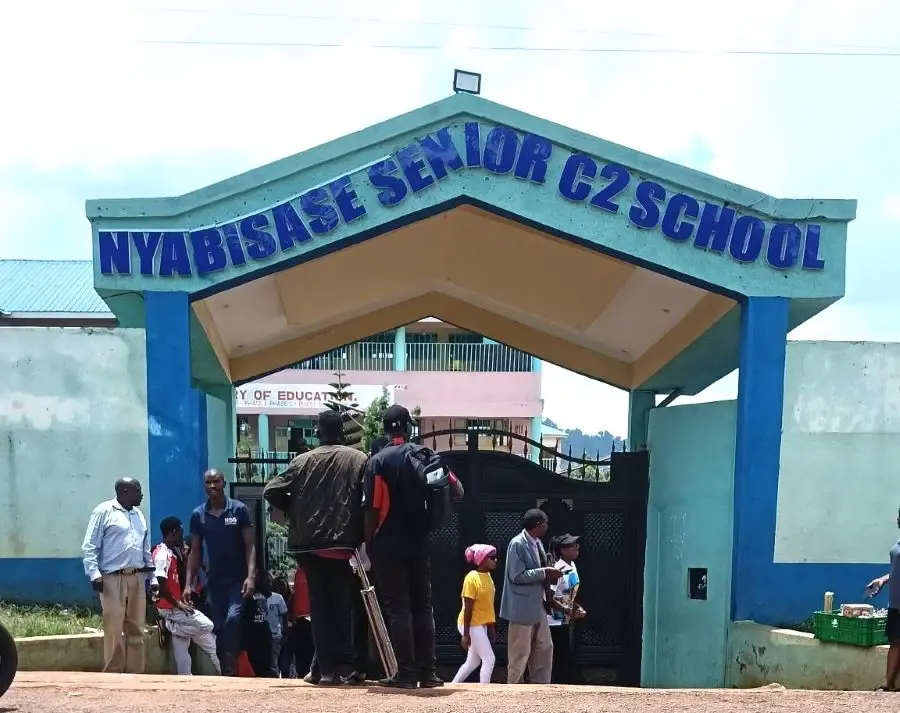
Witnesses and local sources indicate that the reporter was forced into the getaway vehicle at gunpoint. During the ensuing ordeal, which lasted several hours, the captors reportedly subjected the journalist to intense interrogation, physically assaulted them, and stripped them of high-value professional equipment—including cameras, recording devices, press badges, smart devices, and cash—before driving across county boundaries into Bomet County.
The victim was subsequently dumped in a secluded area of Bomet in a traumatized state before being rescued by passersby and local residents, who assisted in alerting security officers and arranging emergency medical evaluation.
Escalating Tensions Surrounding National Examinations in the Region
The incident occurred against a backdrop of heightened scrutiny surrounding the administration of national examinations in the Gusii region and neighboring counties. In recent years, public day and boarding secondary schools in Kisii and Nyamira counties have frequently been placed under close surveillance by Ministry of Education officials and security agencies aimed at curtailing examination malpractices.
The sudden abduction of a journalist investigating ground realities during the examination period has fueled speculation regarding the motives of the attackers. Media advocates note that journalists covering examination centers often face hostility from corrupt cartels, unauthorized exam distributors, and local interests seeking to suppress coverage of administrative lapses or security crackdowns.
Security Agencies Launch Multi-County Investigation
Police commanders and criminal investigation officers in both Kisii and Bomet counties have launched joint investigations to identify and apprehend the suspects involved in the abduction and robbery.
Detectives are reportedly analyzing mobile phone tracking data, local closed-circuit television (CCTV) footage along key highway corridors, and eyewitness statements to trace the vehicle used in the operation. Security officials emphasized that no effort would be spared in ensuring the perpetrators face the full force of the law.
“An attack on a journalist performing their constitutional duty is an attack on the public’s right to information. We are mobilizing multi-agency resources across Bomet and Kisii to ensure those responsible are brought to justice.”
Media Stakeholders Demand Protection for Field Reporters
The incident has triggered widespread anger among press freedom defenders and media associations across Kenya. Stakeholders have voiced deep concern over the increasing frequency of intimidation tactics, illegal detentions, and violent assaults targeting journalists in the line of duty.
Representatives from media advocacy groups called on the Ministry of Interior and National Administration, the Ministry of Education, and the National Police Service to establish concrete safety protocols for journalists covering national examinations and sensitive regional assignments.
Key demands highlighted by press freedom advocates include:
- Swift Prosecution: Expedited investigations to identify, arrest, and prosecute all individuals linked to the abduction and theft.
- Enhanced Protection Measures: Clear security guarantees and hotlines for journalists deployed to cover national examinations in volatile areas.
- Protection of Press Freedom: Stronger official safeguards against state and non-state actors who seek to harass reporters covering matters of public interest.
Ongoing Recovery and Call for Public Vigilance
The affected journalist is currently recovering from the traumatic experience while receiving medical attention and psychological counselling. Meanwhile, local administrative officers in Bomet and Kisii have urged members of the public with any information regarding suspicious vehicles or individuals seen along the Kisii-Bomet transit corridors during the night of the incident to report to the nearest police station.
As the KCSE examination period continues nationwide, this alarming event serves as a stark reminder of the safety risks confronted by field journalists striving to keep the public informed under challenging circumstances.
For deeper context on journalists facing abductions and security threats while on duty, see Shadowy police unit linked to abduction of journalist Alex Kiprotich.