
United Democratic Alliance (UDA) Secretary-General Hassan Omar has defended controversial remarks he made in Mombasa as political satire and figurative speech, insisting they did not amount to an electoral offence or a call to commit fraud ahead of the 2027 General Election.Nation
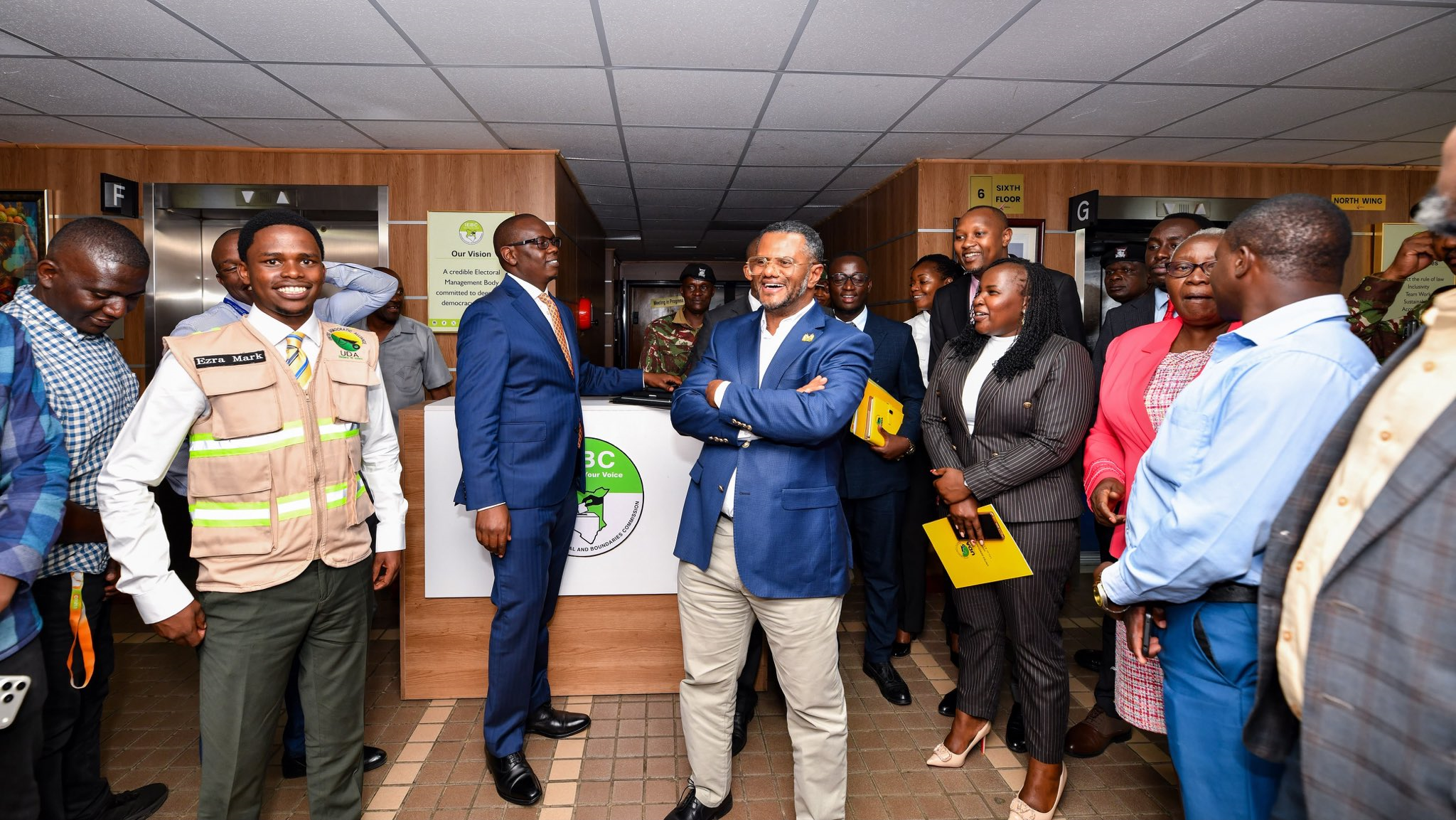
Omar appeared on Wednesday, October 21, 2026, before the Independent Electoral and Boundaries Commission’s (IEBC) Electoral Code of Conduct Enforcement Committee at Anniversary Towers in Nairobi. The proceedings centred on comments he made on September 11 during a voter registration drive in Changamwe Constituency, Mombasa County, while addressing village elders and Nyumba Kumi officials. Standardmedia
In the widely circulated remarks, Omar said: “On election day, we have to fight for every vote. Even if someone died, we should take their fingerprint before they are buried, use it in the BVR system and cast a vote even for someone who died that very day.” He added that even those being buried that day represented “our vote because that vote is our bullet, our shield.” Critics and the IEBC interpreted the words as encouraging the illegal use of deceased persons’ biometrics to cast ballots for President William Ruto. Standard Media
Through lawyers Emmanuel Kibet and Adrian Kamotho, Omar asked the committee to dismiss the charges for lack of evidence of any breach, or to limit any sanction to a formal warning. They argued the statement was political hyperbole, humour and coastal-style metaphor meant to underscore the urgency of voter registration and turnout in a region where participation has historically lagged below 50 per cent in recent elections. The lawyers noted that the local audience cheered, laughed and clapped, showing they understood it as exaggeration rather than a literal instruction, and that registering the dead is practically impossible under Kenya’s biometric system, which is controlled solely by the IEBC. Nation
Omar himself told the committee that his language reflected “lingual diversity” and coastal political rhetoric, differing from how he speaks in Nairobi or other regions. He said the remarks were a rallying call to living residents to obtain IDs, register and vote in large numbers to address historical marginalisation, not a plan to undermine the process. He maintained UDA expects to win legitimately and has no incentive to engage in malpractice, while challenging the IEBC to keep the voters’ register clean. He later said he would use simpler language in future campaigns. Citizen
IEBC advocates and commissioners pushed back, arguing the words risked encouraging electoral malpractice and inflaming tensions as the 2027 campaign intensifies. Commissioner Hassan Noor referenced Kenya’s history of election-related disputes and violence, stressing the need for restraint from political leaders. Committee chairman Moses Alutalala Mukhwana rejected claims of selective enforcement against UDA and urged parties to raise concerns through established forums such as the Political Parties Liaison Committee.Nation
The committee is expected to deliver its ruling on October 27. The case highlights ongoing debates over the limits of political rhetoric, the enforcement of the Electoral Code of Conduct under the Elections Act, and efforts to protect the integrity of the voters’ register and public confidence ahead of the next general election. Omar, a former Mombasa senator, is also positioning himself in Coast politics, including interest in the Mombasa governorship.