
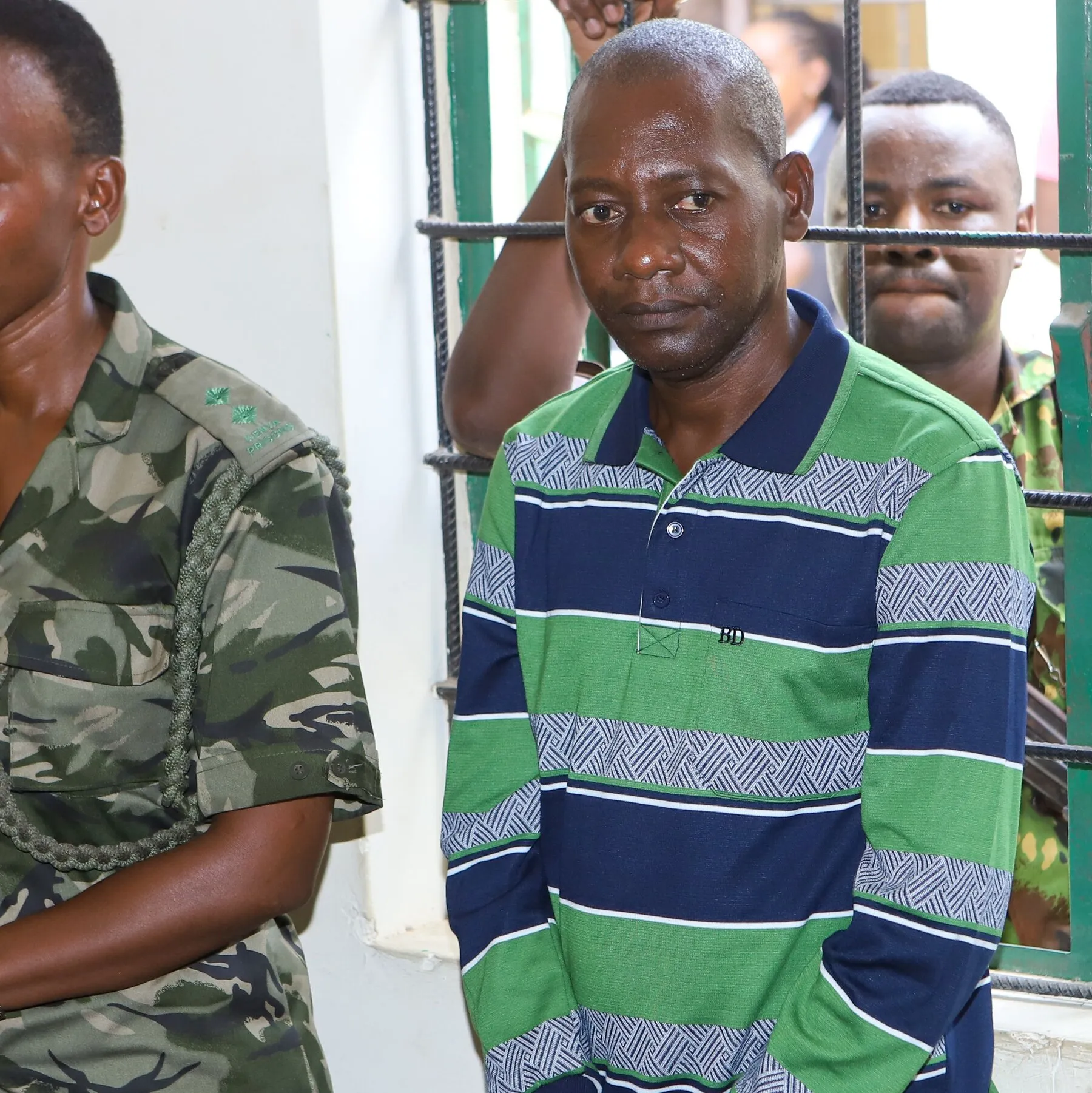
MONBASA / SHANZU, Kenya — In an unprecedented judicial marathon lasting more than eight hours inside a packed Mombasa courtroom, High Court Judge Diana Kavedza Mochache delivered a monumental verdict that brought a painful measure of legal closure to one of the most horrific chapters in East African history.
Controversial doomsday preacher Paul Nthenge Mackenzie, alongside 28 co-accused associates, was found guilty of 191 counts of murder in connection with the systematic mass starvation deaths of men, women, and children inside the vast Shakahola forest of Kilifi County.
The judgment marks the culmination of more than three years of painstaking forensic exhumations, psychological profiling, and testimony from surving witnesses and desperate family members.
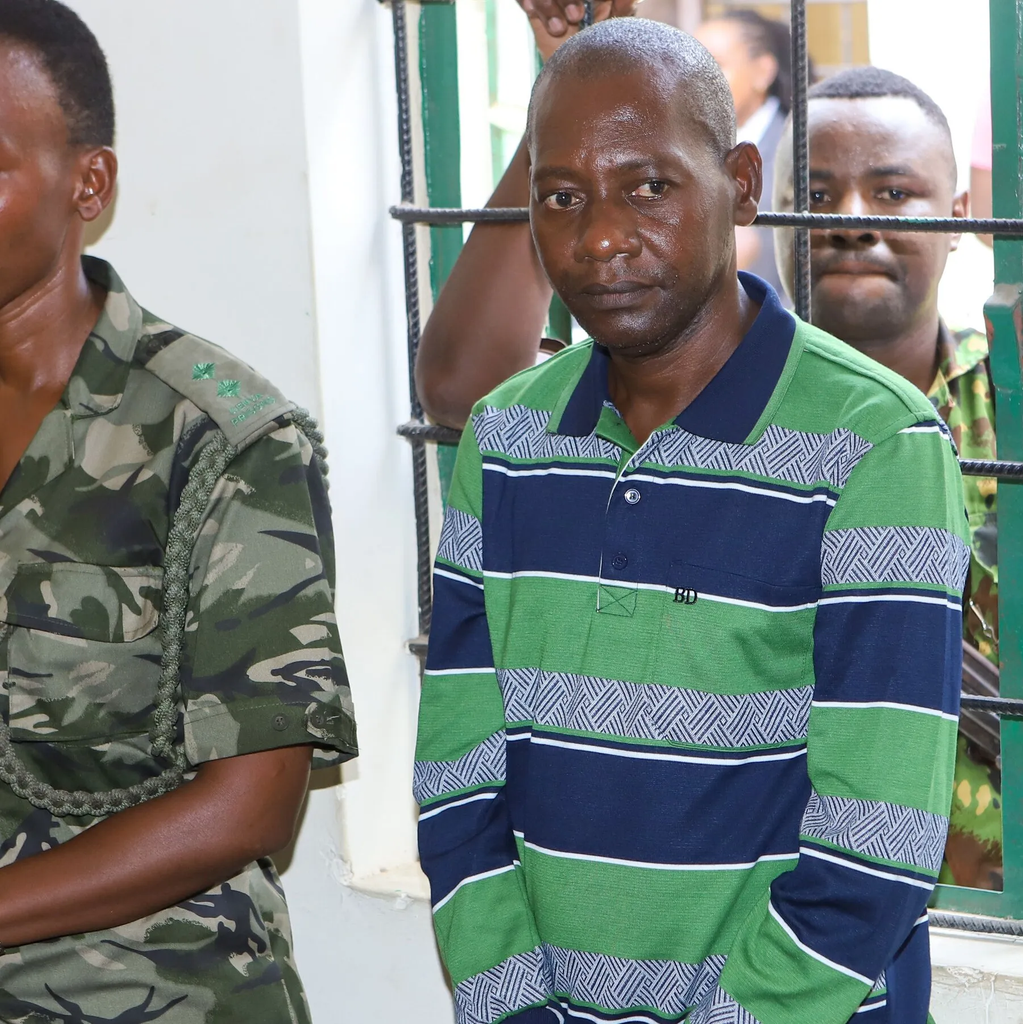
Reading through thick binders of evidence, Justice Mochache meticulously dismantled the defense arguments presented by Mackenzie’s legal team, detailing how the former taxi driver turned self-proclaimed pastor constructed a highly organized, lethal apparatus designed to lead hundreds of vulnerable followers to their deaths under the guise of religious salvation.
A Structured Hierarchy of Death
According to court findings and trial prosecution documents, Mackenzie operated his “Good News International Church” not as a place of spiritual sanctuary, but as a rigid total religious sect.
Prosecutors successfully argued that after relocating his primary operations to a secluded 800-acre ranch in the dense thickets of Shakahola forest in 2019, Mackenzie established a cruel operational mandate based on an apocalyptic timeline.

“The evidence presented before this court established beyond reasonable doubt that the first accused person, Paul Nthenge Mackenzie, along with his inner circle, actively initiated, enforced, and supervised a structured hierarchy of death,” Justice Mochache noted during her ruling.
The trial revealed chilling operational details of how the mass starvation was phased:
- Children First: Young children and infants were the initial targets, isolated from their parents and denied food and water while guardians were compelled to watch or participate under threat of physical violence or divine damnation.
- Teenagers and Women: Once the youngest perished and were buried in shallow, unmarked graves, young girls, teenagers, and mothers were ordered to starve.
- Adult Men and Leadership: Adult males were designated to fast last, with Mackenzie’s enforcers monitoring the perimeter of designated encampments—named mockingly after biblical sites such as “Jerusalem” and “Judea”—to prevent desperate individuals from escaping to forage for wild berries or seek water.
Autopsy reports produced by Chief Government Pathologist Dr. Johansen Oduor formed a core pillar of the prosecution’s case.
The medical evidence proved that while the primary cause of death for the majority of the exhumed victims was severe, prolonged malnutrition and dehydration, several victims—predominantly young children—showed clear signs of asphyxiation, blunt force trauma, and manual strangulation, indicating that those who hesitated or resisted the starvation mandate were forcibly murdered by cult enforcers.
Tears and Relief in the Gallery
Inside the courtroom, packed to capacity with international observers, local activists, and bereaved relatives, the atmosphere remained heavy throughout the eight-hour reading.
Mackenzie, dressed in a striped polo shirt and red trousers, sat beside his wife—also among the co-accused—and remained largely silent, staring blankly ahead as the conviction on each individual count was read into the official record.
For family members like 62-year-old Francis Wanje, who lost eight family members including two young grandchildren to the cult’s deadly doctrine, the verdict brought an overwhelming wave of emotional relief.
Wanje had spent months searching through the dense coastal brush alongside security teams when the mass graves were first uncovered in early 2023.
“It has been an extraordinarily heavy burden for our family, one that has caused deep psychological pain and sleepless nights for years,” Wanje told journalists outside the court building.
“To hear the court declare today that these people are legally murderers gives us faith in our judicial system. It cannot bring back our children, but it shows the world that their lives mattered and that those who deceived them will face the full force of the law.”
Director of Public Prosecutions (DPP) Renson Ingonga commended the multi-agency investigative team, which included forensic anthropologists, homicide detectives, and digital crime analysts.
Speaking outside the Mombasa Law Courts, Ingonga hailed the judgment as a historic victory against radical religious exploitation.
“This is the strongest possible judgment we could have achieved,” Ingonga stated.
“It sends an unmistakable warning to anyone who seeks to hide behind the constitutional freedom of worship to commit atrocities, abuse vulnerable citizens, or traffic in human life. Justice has been served today.”
Institutional Failures and Regulatory Reform
While the conviction represents a crucial legal victory for the prosecution, the case has reopened sharp national debates regarding systemic intelligence and law enforcement oversights.
Public records confirmed during trial proceedings revealed that Mackenzie had been arrested as early as 2017 and again in 2019 for illegal schooling activities and extremist teachings, yet was repeatedly released on modest bail terms, allowing him to relocate deeper into the Shakahola wilderness undetected for years.
Following the verdict, civil society groups and legal experts reiterated calls for tighter regulatory oversight of independent religious entities, alongside structural reforms in community policing within remote rural areas.
With the guilty verdict officially recorded, the High Court has scheduled formal mitigation and sentencing proceedings for November 6, 2026.
The prosecution has indicated it will seek the maximum statutory penalties available under Kenyan law, while defense lawyers have signaled plans to file appeals once formal sentencing is concluded.