
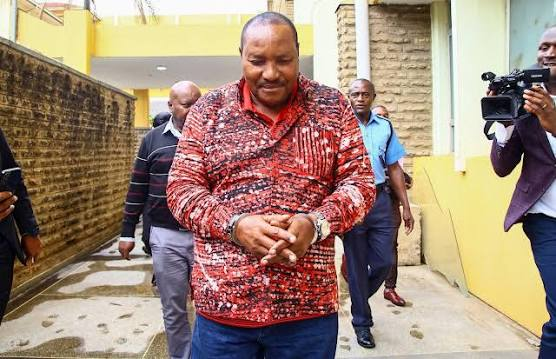
In a major judicial ruling for public anti-corruption efforts, the High Court has upheld the conviction of former Kiambu Governor Ferdinand Waititu, while formally reinstating related money laundering charges connected to the fraudulent award of a Sh588 million county road construction contract. The judgment concludes a protracted legal appeal, re-establishing strict legal consequences for senior public officers implicated in financial malfeasance.
Review of the Trial and Financial Evidence
The judicial decision follows a comprehensive review of the original trial proceedings, during which the court found compelling evidence that state funds earmarked for Kiambu County road upgrades were systematically siphoned through proxy firms and transferred to private entities linked to the former governor and his family members. The High Court affirmed that trial magistrates evaluated financial trail evidence accurately, proving illegal enrichment and abuse of public office beyond reasonable doubt.
Money Laundering Charges Reinstated
In addition to upholding the underlying graft convictions, the appellate judge reinstated previously dropped money laundering charges against Waititu, his co-accused former county officers, and private directors associated with Testimony Enterprises Limited. The reinstatement opens the door for the Ethics and Anti-Corruption Commission (EACC) to pursue financial asset recovery proceedings aimed at repossessing assets purchased using proceeds from the illegal contract.
Judgment and Public Accountability
Anti-corruption advocates and legal commentators have hailed the judgment as an important milestone for judicial accountability in Kenya. By upholding high-profile graft convictions and approving asset recovery mechanisms, the judiciary continues to reinforce statutory deterrence against the misappropriation of public resources within devolved county units.