
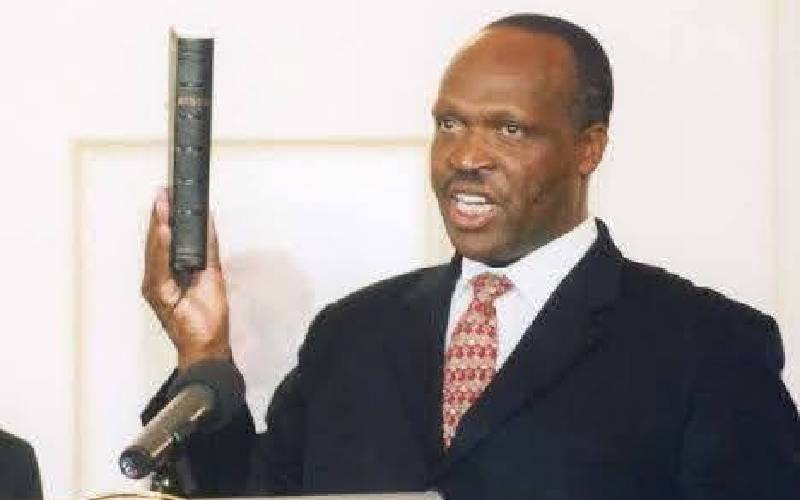
Political friction between President William Ruto’s administration and Trans Nzoia Governor George Natembeya has escalated into a public battle over regional leadership, political protocol, and devolved governance. What began as localized policy disagreements regarding development priorities in Western Kenya has expanded into a national debate following public confrontations during official tours and the subsequent scaling back of the governor’s official security detail.
The Tawe Movement and Regional Leadership
The confrontation centers on Governor Natembeya’s vocal advancement of the “Tawe” movement—a regional political initiative advocating for political self-determination and alternative leadership across Western Kenya and the Rift Valley. Natembeya’s open opposition to traditional political alignment with the ruling coalition has drawn sharp criticism from administration loyalists, who view his outspoken posture as an explicit challenge to executive authority and national protocol.
Tensions reached a turning point following political rallies and public events in Trans Nzoia where local security disruptions prompted state interventions. Addressing public gatherings in Kitale, Governor Natembeya remained resolute despite the reduced security personnel, insisting that administrative pressure or state sanctions will not prevent him from fulfilling his constitutional mandate or raising questions about regional development funding.
Opposing political figures and civil society leaders have criticized the state’s security decisions, warning against using administrative apparatuses to silence elected county executives or suppress political dissent. Conversely, government spokespersons and ruling party representatives defend the administration’s actions, framing the ongoing fallout as a matter of official order, protocol compliance, and institutional decorum.
Administration allies contend that while local leaders hold freedom of expression, elected state officers must maintain respect for the presidency and national institutions. Political analysts observe that this feud highlights growing realignments ahead of future electoral cycles, demonstrating the ongoing power dynamic between central executive authority and autonomous devolved county governments.
Credit: Prestone Murunga (The Standard)