
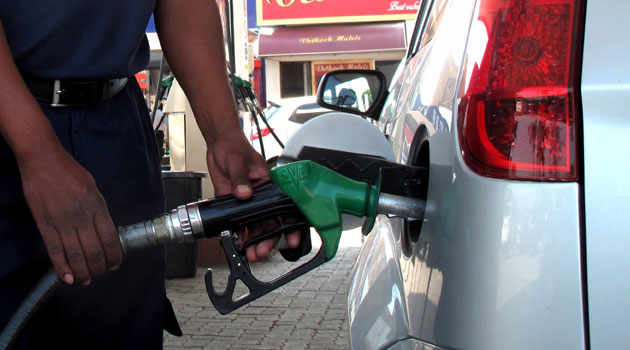
Nairobi, October 28, 2026 — Independent petroleum dealers in Kenya have threatened to suspend purchases from oil marketing companies (OMCs) accused of selling fuel above the maximum wholesale prices set by the Energy and Petroleum Regulatory Authority (EPRA), raising the risk of shortages at petrol stations nationwide. kenyans.co.ke
In a joint statement issued on Tuesday, October 27, the Petroleum Outlets Association of Kenya (POAK) and the Kenya Independent Petroleum Dealers Association (KIPEDA) said the problem has persisted for 12 days since the new prices took effect on October 15. They advised independent operators across the country to immediately stop buying petroleum products priced above the gazetted EPRA wholesale limits. kahawatungu.com
“We advise all independent petroleum operators countrywide to immediately suspend the purchase of petroleum products at rates exceeding the gazetted EPRA wholesale limits,” the associations stated. They warned that independent stations are already facing critical product stock-outs, forcing operators to choose between closing their businesses or operating at severe financial losses. radiogeneration.co.ke
Under the October–November pricing cycle announced by EPRA on October 14, the maximum wholesale prices in Nairobi were set at Sh211.80 per litre for super petrol, Sh212.60 for diesel, and Sh204.79 for kerosene. Corresponding maximum retail prices were Sh226.96 for super petrol, approximately Sh227.27 for diesel, and Sh219.87 for kerosene. kenya-today.com
POAK and KIPEDA alleged that OMCs disregarded these wholesale caps and continued charging higher prices, squeezing the margins of independent dealers who must sell within the regulated retail limits. The associations said they had escalated the matter to EPRA and the Ministry of Energy and Petroleum, but no enforcement action or compliance had followed after 12 days. kahawatungu.com
The groups demanded urgent regulatory sanctions against non-compliant marketers and warned that prolonged inaction could trigger a broader shutdown of independent retail outlets, disrupting fuel distribution. They noted that independent stations form a significant part of the country’s fuel supply network and that the situation undermines consumer price protections under the regulated framework. Despite the threat, the associations said they remain open to constructive engagement with the ministry and EPRA to resolve the dispute. radiogeneration.co.ke
The latest standoff comes amid already elevated pump prices. EPRA’s October review raised the maximum retail price of super petrol by Sh12.93 per litre, diesel by Sh9.90, and kerosene by Sh28.49 in Nairobi, driven by higher international landed costs and the decision not to deploy the Petroleum Development Levy for price stabilisation this cycle. EPRA Director General Edward Mwirigi Kinyua has indicated that the funds are being preserved amid expectations of further upward pressure in the coming months. kenyans.co.ke
As of Tuesday evening, neither EPRA nor the State Department for Petroleum had publicly responded to the dealers’ allegations. The associations did not name specific oil marketing companies or quantify the exact price differentials in their statement. radiogeneration.co.ke
Analysts note that any sustained halt in purchases by independent dealers could tighten supply at the retail level, particularly outside major urban centres, even as Kenya maintains more than 15 days of overall petroleum stocks. The dispute adds to broader public frustration over rising fuel costs, which have already prompted protests and calls from motorists’ groups for greater transparency in pricing and the government-to-government oil import arrangement.