
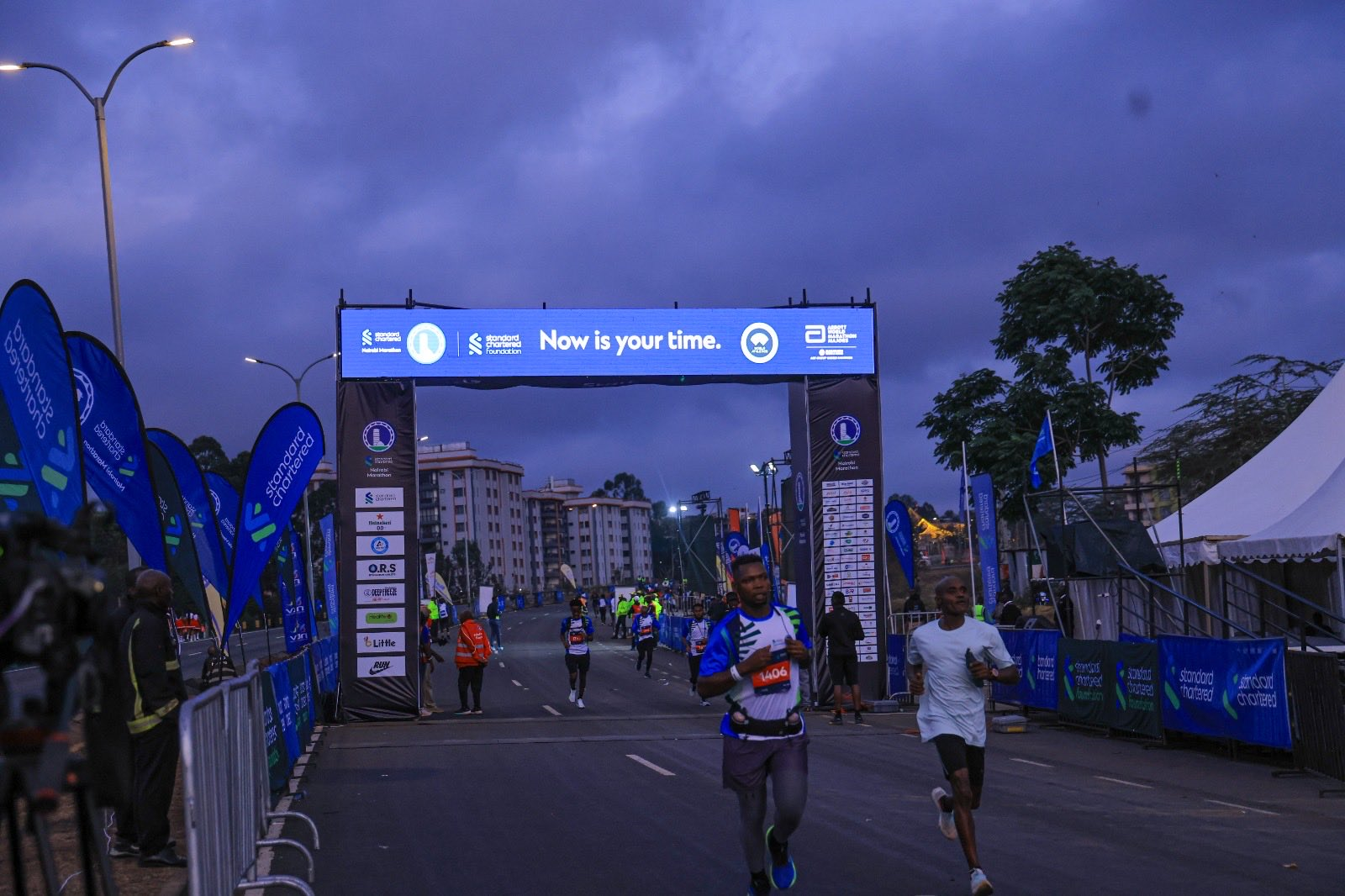
NAIROBI, Kenya — Unsponsored and uncoached, 27-year-old Mercy Kandie achieved her career breakthrough by winning the elite women’s 42km race at the 23rd Standard Chartered Nairobi Marathon. Kandie crossed the finish line at Uhuru Gardens in 2:31:25, battling through a demanding, hilly course. [1]
The race was not without high drama. Runner-up Peris Jerono (2:31:27), the 2021 Rome Marathon champion, narrowly missed the top spot after an unexpected stomach bug forced her to make a brief bathroom pitstop at the 8km mark before furiously chasing down the lead pack. Kandie, who placed 20th in the half-marathon just three years prior, expressed immediate hope that this monumental home win will finally unlock invitations to World Marathon Majors like London, Berlin, and New York. [1]
How Recreational Running Took Over Kenya
Beyond the elite tier, the 2026 edition solidified a massive cultural shift in Kenya’s domestic sports scene. Historically celebrated for producing global podium finishers who dominate abroad, Kenya is experiencing an unprecedented boom in casual, recreational running. [1]
For the first time in the event’s history, tickets for the marathon completely sold out in July—a staggering three months before race day. Over 30,000 corporate and hobbyist runners from 102 nationalities packed the Southern Bypass. Organizers attribute this frenzy to a rapid lifestyle shift where running has transitioned from a niche elite career into a popular fitness habit, transforming the Nairobi marathon into the ultimate annual health pilgrimage. [1, 2, 3, 4]
Abraham Kiptum Triumphs in Men’s Elite Field Amid Record Backing
In the men’s premier division, veteran runner Abraham Kiptum commanded the pavement to secure a hard-fought victory in the 42km full marathon. Kiptum managed the pacing perfectly from the start line outside the Carnivore Restaurant, fending off a deep field of over 400 elite athletes. [1, 2]
The event’s competitive profile was supercharged by a record-breaking Sh273 million in corporate sponsorship, a massive 17% increase from the previous year. Backed by expanded medical coverage—including roaming bicycle medics and dedicated muscle relief stations—athletes were able to push boundaries safely, raising significant funds for the Standard Chartered Foundation’s youth empowerment initiatives. [1, 2, 3, 4]