
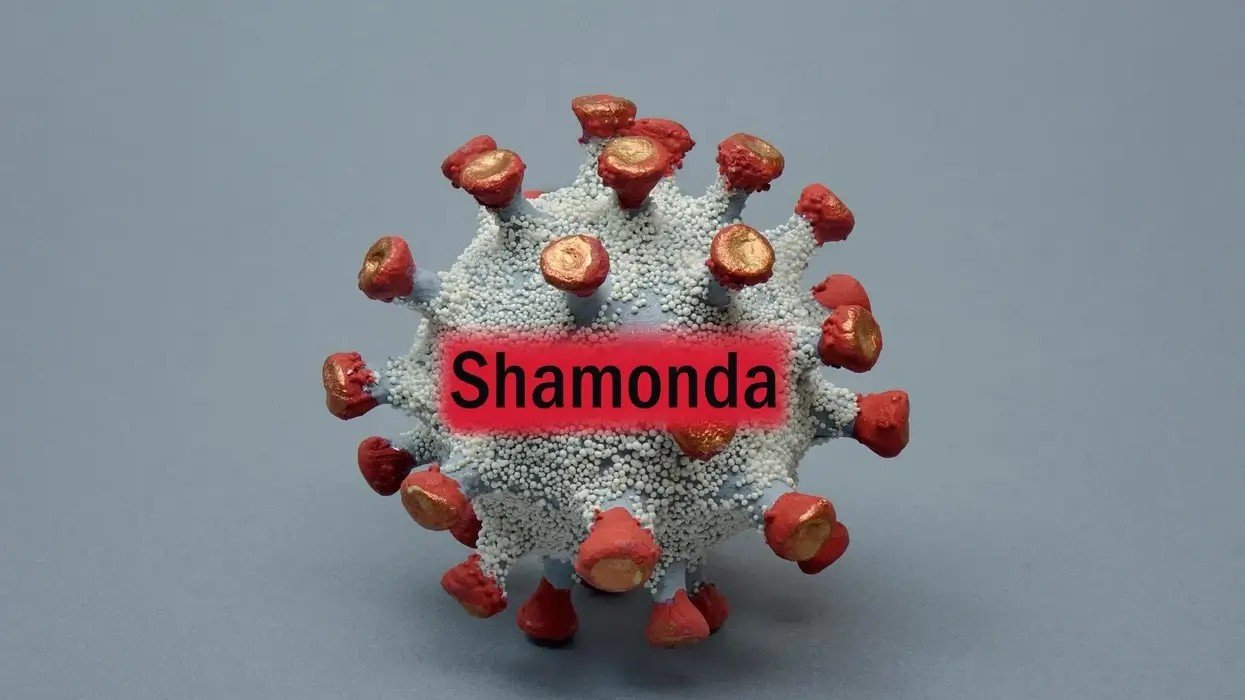
Paris, October 22, 2026 — French authorities have confirmed the first known human infection with the Shamonda virus, a pathogen previously found only in animals. The patient, who was severely immunocompromised, died in early October. BBC
The virus was detected in a patient receiving treatment for a serious illness at the Hospices Civils de Lyon. Officials described the case as exceptional and said there is currently no identified risk to the general public. BBC
“This is therefore an exceptional case involving a severely immunocompromised patient,” the French health and agriculture ministries said in a joint statement. They noted that, based on available knowledge of the virus, “no public health risk to the general population has been identified to date.” France 24
Shamonda virus is a bunyavirus primarily transmitted among animals by bites from infected Culicoides midges. It mainly affects cattle, where it can cause fever, diarrhea, reduced appetite, and lower milk production, as well as occasional abortions or congenital abnormalities. Sporadic cases have also been reported in sheep, goats, horses, and alpacas. The virus was first identified in Nigeria in the mid-1960s and has circulated in parts of Africa and Asia but had never before been documented in a human despite decades of animal infections. BBC
It was detected for the first time in Europe this summer, appearing on cattle farms in France and several other countries, including Germany, Austria, Belgium, Ireland, Italy, the Netherlands, Spain, and Switzerland. French authorities believe the patient was likely infected through a midge bite in eastern France, where the virus was circulating among animals during the spring and summer. BBC
Preliminary findings indicate that neurological complications observed in the patient before death were “very likely linked” to the Shamonda virus infection. Clinical, biological, and epidemiological investigations are continuing under a One Health approach involving human, animal, and environmental health experts. It is not yet fully clear whether the virus caused or contributed to the patient’s death. The Guardian
The World Health Organization confirmed this as the first documented human case. It has not yet completed a formal risk assessment but stated that current information and knowledge of similar midge-borne viruses suggest the case is isolated and “unlikely to lead to wider spread at this time.” The European Centre for Disease Prevention and Control is also monitoring the situation and working with French and European partners. BBC
Experts noted that transmission to humans appears extremely unusual. Prof. Tom Solomon, director of the Pandemic Institute at the University of Liverpool, said the risk to the general public appears very low, while cautioning that unknowns remain about possible asymptomatic infections or the range of symptoms the virus might cause in healthy people. The Guardian
French authorities have notified international health bodies and continue investigations into the source and implications of the infection.