
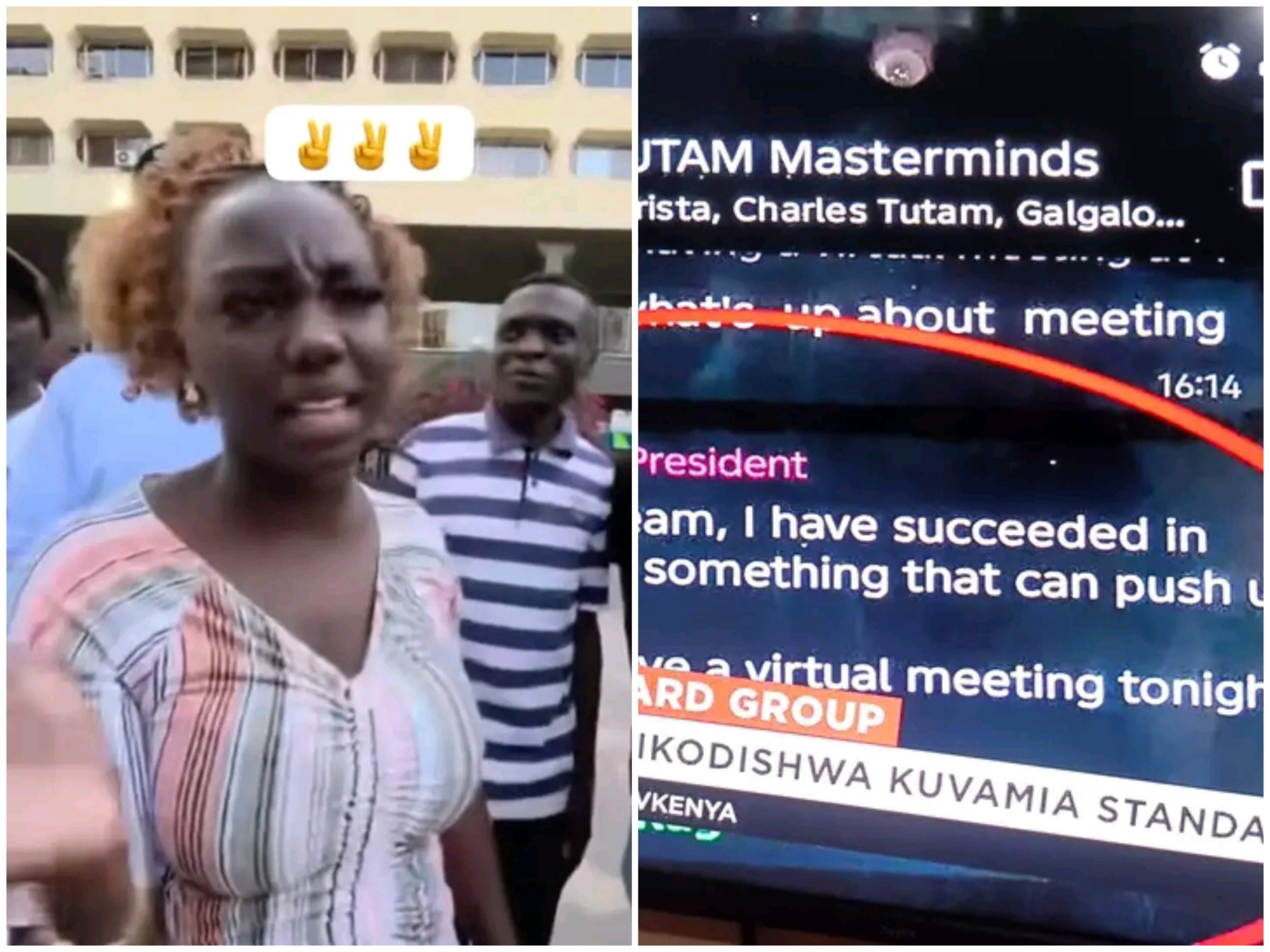
A Citizen TV investigation has alleged that two pro-government Members of Parliament, one representing a Nairobi constituency and another from the Rift Valley, were centrally involved in organizing and financing a protest outside Standard Group headquarters on Mombasa Road that aimed to storm the media premises.
The probe, published on October 21, 2026, by Citizen TV investigative reporter Ode Francis, examined the October 2 demonstration in which pro-government supporters accused The Standard, KTN, and other Standard Group platforms of consistently negative coverage of President William Ruto’s administration. Protesters carrying placards and twigs gathered outside the headquarters, with some attempting to enter the premises housing the newspaper, television, and radio operations. Human rights activists and members of the public confronted them in support of press freedom, leading to tense exchanges. The Standard Group condemned the incident as an attack on media freedom, democracy, and legitimate business, citing constitutional protections under Articles 33 and 34.
According to the Citizen TV investigation, the action was not spontaneous. A group of 11 individuals identifying themselves as “Tutam” held planning meetings in the days beforehand, including a gathering of about 10 members at the Kenyatta International Convention Center (KICC) in late September and another at Jimlizer Hotel in Buruburu on the evening of October 1. On the day of the protest, mobilizers reportedly brought in groups from areas including Umoja (about 20 men on motorbikes), Kamukunji (around 50 people), Bellevue, and Ngong Road. By mid-morning, nearly 100 men had assembled with the reported intent of storming the headquarters.
The investigation alleges that participants were hired for unspecified amounts, with lead mobilizers reportedly receiving more than KSh 400,000. These funds, according to Citizen TV, were provided by the two pro-government MPs. An audio recording obtained by the station captured participant Sally Raghet (linked to the Youth for Ruto 2027 / YURO group) complaining that she received only KSh 5,000, which she said barely covered her personal security. Another participant identified as Gazemba (or Moses Gazemba) was quoted lamenting unequal payouts: “Some of us went home counting losses, others counting thousands. It’s not fair at all.” The group later reconvened online, with mixed reactions over mobilization and payments. A digital platform linked to Philip Toroitich (alias Toro), described as head of Tutam’s digital team and associated with a KDN-branded microphone used at the scene, was said to have amplified the protest in a one-sided manner.
The identities of the two MPs have not been publicly named in the Citizen TV report or related coverage. The allegations remain uncorroborated by independent financial records or official responses from the individuals concerned, and Standard Group and police have not released further details on any investigation into the funding or organization. The same organizers are reportedly planning another march on Standard Group on October 23, 2026, raising fresh security concerns for staff and journalists.
The October 2 events fit into a broader pattern of tension between sections of the Kenya Kwanza-aligned political establishment and the Standard Group over critical reporting, including on issues such as election-related matters and government projects. President Ruto has previously criticized the media house’s coverage. The confrontation has renewed debate over press freedom, the right to peaceful assembly, and the use of hired crowds in political mobilization ahead of the 2027 general election. Complaints about media coverage can be pursued through the Media Council of Kenya or other lawful channels, but attempts to force entry or intimidate journalists have drawn condemnation from rights groups and the media house itself.