
November 1, 2026
Former Deputy President and Democracy for Citizens Party (DCP) leader Rigathi Gachagua has rejected the government’s explanation for delays on the KSh 200 billion Rironi-Mau Summit highway, claiming the setbacks stem from Chinese financing concerns rather than a shortage of bitumen.
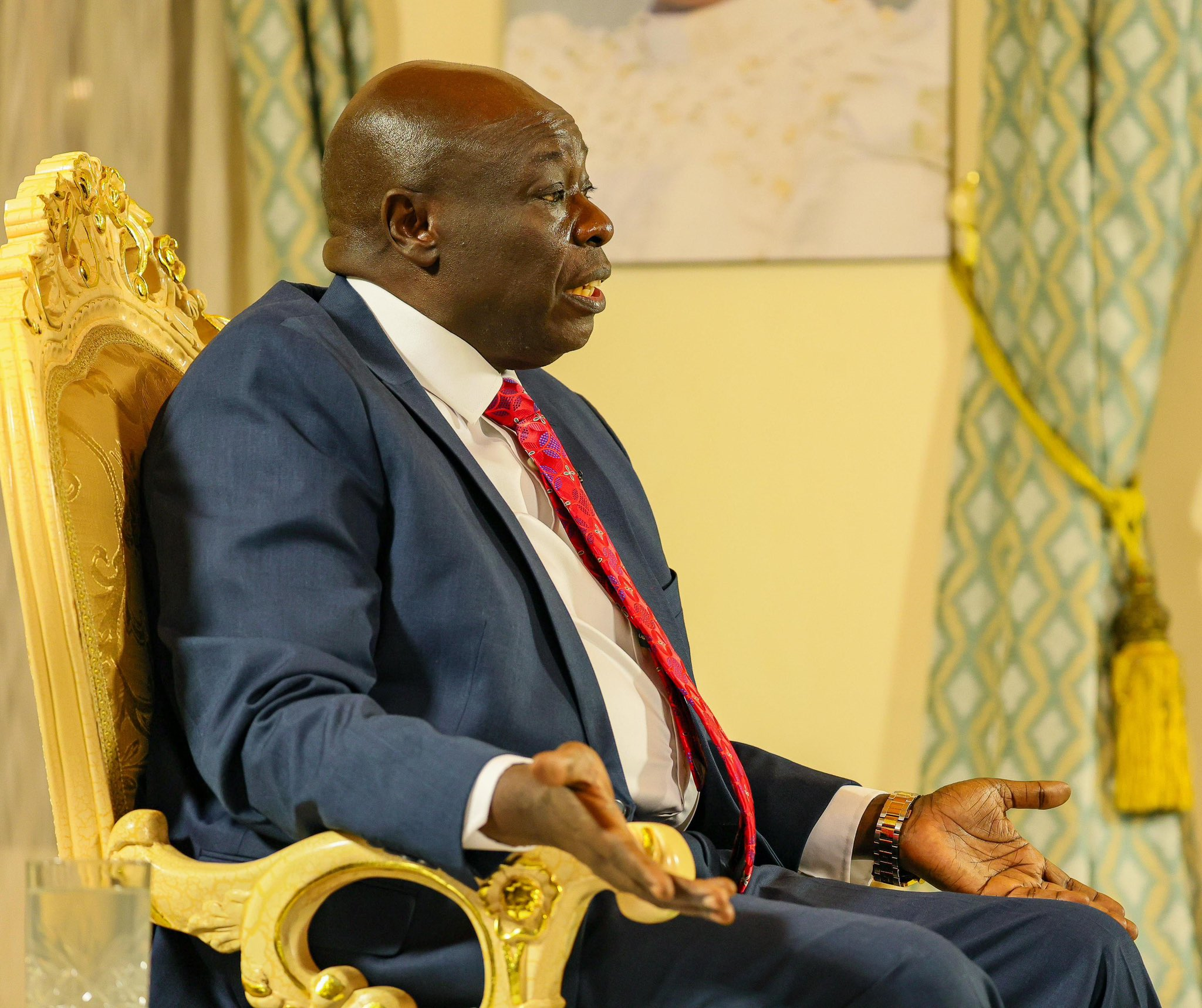
Speaking during a church service at PCEA Kamangu in Kikuyu Constituency, Kiambu County, on Sunday, November 1, 2026, Gachagua alleged that Chinese government officials had refused to release funds for the project. He said they viewed it as a “political project” that was too risky ahead of next year’s general election. Kenyans
“I have been informed that Chinese government officials have refused to release funds for this road because they view it as a ‘political project’ and consider it too risky, given that we have an election coming up next year,” Gachagua stated. He added that Transport Cabinet Secretary Davis Chirchir was not being honest with Kenyans: “I heard the Minister for Roads, Chirchir, claim that works on the road have stalled due to a lack of bitumen, or perhaps because of the conflict between Iran and the United States. The truth is, the Chinese have simply stated that there is no money.” Peopledaily
Gachagua further questioned the project’s financing arrangements, asserting there was no valid contract. He claimed that KSh 30 billion belonging to pensioners had been taken from the National Social Security Fund (NSSF) and given to two Chinese companies—China Road and Bridge Corporation (CRBC) and Shandong. He put the directors of the firms and NSSF trustees on notice, warning they would face legal consequences. Peopledaily
His comments came a day after CS Chirchir, during a site inspection on Saturday, October 31, attributed the delays to bitumen supply challenges. Chirchir cited geopolitical issues and supply-chain disruptions linked to tensions affecting shipping through the Strait of Hormuz, noting that most bitumen used in Kenya comes from Iran. He said prices had risen sharply—from around KSh 90 per kilogram six months earlier to KSh 200 or more—causing setbacks over the previous two months. Tuko
The government had earlier missed an October 30 deadline for opening the roughly 60-kilometer Rironi-Naivasha section of the dual carriageway. Chirchir has now pushed the target to early December 2026, before the festive season, and reported progress, including the laying of the first layer of Dense Bituminous Macadam at Lari. Construction on the wider Rironi-Mau Summit corridor, launched by President William Ruto in late November 2025, is intended to improve connectivity between Nairobi, the Rift Valley, and western Kenya. Citizen
As of publication, neither the Chinese contractors nor the Ministry of Roads and Transport had publicly responded to Gachagua’s specific claims about financing and contracts. The project is structured as a public-private partnership involving Chinese firms and expected toll revenues, with NSSF having previously indicated interest in investing up to KSh 30 billion.
The dispute highlights ongoing scrutiny of major infrastructure projects under the Ruto administration, particularly as the 2027 elections approach and motorists continue to face congestion and disruptions on the busy Nairobi-Naivasha corridor.