
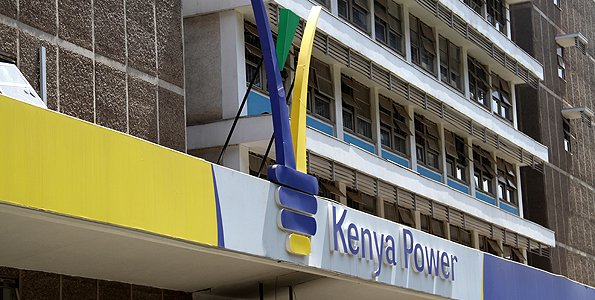
Angry residents of Naivasha, Nakuru County, stormed the local Kenya Power and Lighting Company (KPLC) offices on Wednesday, November 11, 2026, in a heated protest against daily power outages and what they describe as inflated electricity bills. The demonstration temporarily paralysed operations at the utility’s offices as protesters blocked the entrance and nearby roads, prompting a strong police response that led to the arrest of 14 people.
The midday action, which began around 12:30 p.m., saw residents—including traders and ordinary consumers—gather outside the Kenya Power facility in Naivasha Township. Demonstrators voiced frustration over months of recurring blackouts, with some areas experiencing power cuts almost daily and lasting up to six hours. They argued that the unreliable supply is crippling businesses and disrupting daily life, while bills continue to rise despite the poor service. Peopledaily
Traders who joined the protest said the constant interruptions have caused significant financial losses. Many rely on electricity to run shops, eateries, workshops and other enterprises. Without consistent power, they face spoiled goods, halted operations and reduced income. Protesters questioned why consumers should pay high charges for a service that frequently fails them.
Police intervened after demonstrators barricaded roads near the offices using stones and some threw stones during the confrontation. Officers dispersed the crowd using tear gas canisters and blank ammunition. They later cleared the barricades and restored traffic flow. Naivasha Sub-County Police Commander Wilson Segay (also referred to in some reports as Wilson Sigei or Wilson Ngera) confirmed the arrest of 14 people. Authorities indicated the suspects would face various charges, with some reports mentioning malicious damage. No injuries to police or members of the public were reported, and normalcy was restored later in the day. The case is being handled by the Naivasha Sub-County Criminal Investigations Office. Kahawatungu
A senior Kenya Power official, speaking on condition of anonymity, attributed the disruptions to an outdated power distribution system and the town’s rapidly growing population, which has placed additional pressure on existing infrastructure. Naivasha sits in a major geothermal energy production zone, with significant generation capacity in the nearby Olkaria area. Residents, however, point out the irony: living close to power plants has not shielded them from frequent outages. The distinction between electricity generation and local distribution remains a key issue, as generated power must still travel through transmission and distribution networks that officials say are aging. Peopledaily
Kenya Power had not issued an official public response to the specific grievances raised during the protest by the time reports were filed. The utility has faced similar complaints in Naivasha and other parts of the country in the past, including concerns over billing accuracy, meter issues and service reliability.
The protest highlights ongoing challenges in Kenya’s power sector. Consumers nationwide have frequently raised issues about high tariffs, estimated bills, and intermittent supply. In Naivasha, the combination of daily blackouts and rising costs has particularly frustrated traders and households who depend on electricity for livelihoods and basic needs. Earlier incidents in the town, including past demonstrations over blackouts and alleged irregularities, show that reliability has been a recurring concern.
Residents are now calling for lasting solutions, including upgrades to the distribution network, more transparent billing, and improved service delivery. As one of Kenya’s growing towns with strong ties to geothermal energy, Naivasha’s power woes underscore the gap between generation capacity and last-mile reliability that continues to affect many communities.