
NAIROBI, November 5, 2026
The Pharmaceutical Society of Kenya (PSK) has cautioned the public against the abuse and misuse of Cetirizine, a common oral allergy medicine, following a viral social media trend promoting its unapproved use.
In a public statement, the professional body said it had noted discussions circulating online that encourage the insertion of Cetirizine tablets into the vagina for purported “tightening” effects. PSK described the practice as unsafe and medically inappropriate, stressing that the medicine is formulated and approved only for oral use.
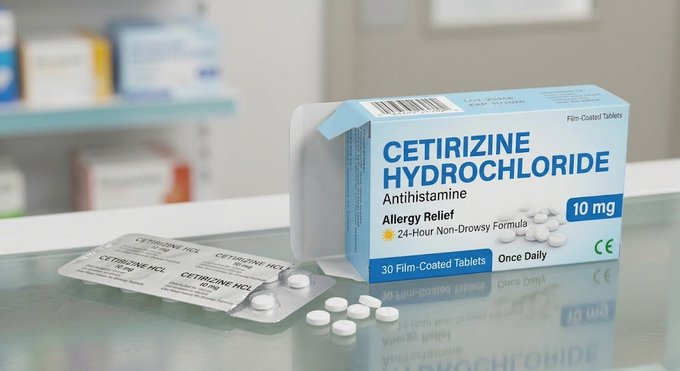
Cetirizine is an antihistamine used to relieve allergy symptoms such as sneezing, a runny nose, itchy eyes, itching, and hives. It works by blocking histamine released during allergic reactions. The society emphasised that the tablets should only be taken as directed on the label or by a qualified medical practitioner or pharmacist.
PSK rejected claims that the medicine can produce a tightening effect. While antihistamines may cause dryness as a side effect, the society explained that reduced lubrication does not strengthen vaginal muscles or alter vaginal anatomy. Instead, dryness can increase friction, cause discomfort, and raise the risk of tissue injury. The ingredients in oral Cetirizine tablets have not been tested or approved for application on delicate vaginal tissue.
“‘Common medicine’ does not mean ‘harmless medicine,’” the statement noted. PSK warned that easy access to a product does not make it safe when used outside its approved purpose, and urged the public not to rely on social media for medical advice.
Anyone who has already used Cetirizine in this manner has been advised to stop immediately and seek medical attention if they experience pain, bleeding, burning, itching, unusual discharge, or fever. The society said patients should be treated with dignity and without judgment.
PSK President Dr. Wairimu Njuki’s statement also called on healthcare professionals to strengthen medicine safety. Pharmacists were urged not to promote or knowingly dispense medicines for misuse and to report any suspected adverse reactions through the Pharmacy and Poisons Board’s pharmacovigilance channels. Media outlets and content creators were asked to verify health claims before sharing them.
The society further reported increased demand, price hikes, and stock shortages of Cetirizine in some outlets linked to the trend. It appealed to pharmacies to maintain ethical pricing so that patients who genuinely need the medicine for allergies are not denied access.
PSK said it would continue working with the Pharmacy and Poisons Board, the Ministry of Health, and other healthcare professionals to protect the public from harmful practices driven by health misinformation. The warning follows earlier concerns raised by the Ministry of Health over the influence of online discussions on medicine use.