
Limuru, Kiambu County – November 5, 2026
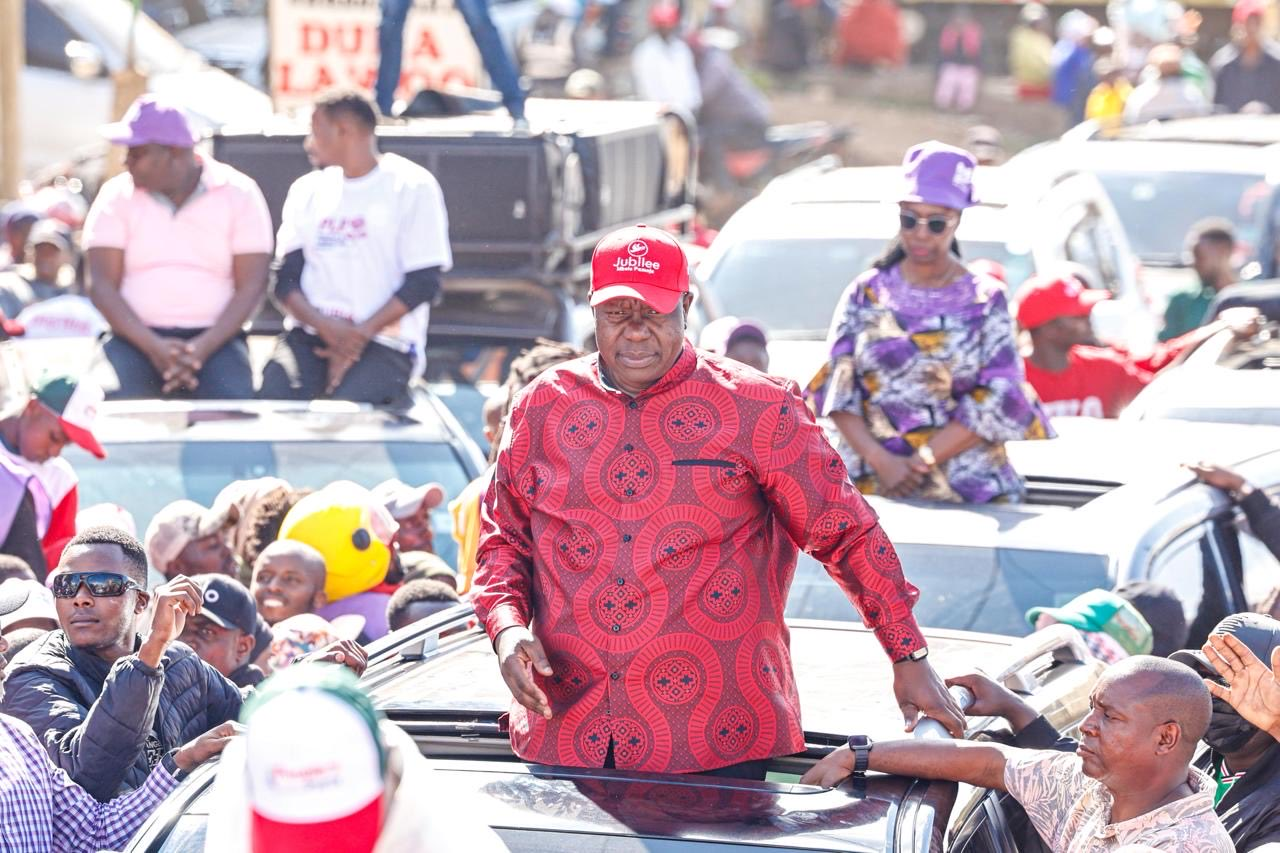
A joint opposition rally in Limuru town on Thursday brought together People’s Party of Kenya leader Ndindi Nyoro, Jubilee Party’s Dr. Fred Matiang’i and People’s Liberation Party (PLP) leader Martha Karua, drawing a large and energetic crowd as the trio intensified grassroots mobilisation ahead of the 2027 General Election.
The event, described by organisers as part of a “Joint People’s Tour,” formed part of a broader day of engagements in Kiambu that also included activities in Wangige. Leaders and local aspirants, including Limuru MP aspirant CPA Moses Ngugi, PLP deputy leader Prof. Kagwanja, and figures from the Kenya Moja Movement such as Margaret/Beatrice Wanjiru, addressed residents alongside the principal figures.
Strong Turnout and Message of Unity
Residents turned out in significant numbers, with party accounts and the leaders themselves describing the reception as warm and the crowd as impressive. Supporters filled the streets and open spaces, waving party colours and listening to speeches that repeatedly stressed the need for opposition cohesion.
Martha Karua, addressing the gathering, thanked Limuru residents for the “incredible turnout” and framed the larger mission: Kenyans want better lives, a working economy, opportunities for their children and leadership that takes their concerns seriously. She stressed that the task ahead “is bigger than any one of us” and requires unity and a shared commitment to putting people first, closing with the slogan “Tuungane, Tujikomboe!” (Let’s unite, let’s liberate ourselves).
Ndindi Nyoro called the Limuru stop “epic and excellent,” highlighting calls for economic revival, job creation and a radical change in governance. In one of the more pointed moments, he taunted President William Ruto, comparing him to Donald Trump and declaring that next year the opposition would “shave him without water” if he heads to his Sugoi home. He also dismissed hopes of opposition infighting, telling Ruto’s supporters they could “sleep soundly” because divisions would not materialise.
Matiang’i reinforced the “Wantam Plus Positive Change” theme circulating among the group, signalling a one-term narrative combined with a platform of reform. The leaders collectively argued that fielding a single presidential candidate remains the most effective path to defeating Ruto, warning that internal rivalries, political gatekeeping or claims of superiority based on regional or ethnic numbers would only hand the incumbent an advantage.
Criticisms of the Government and Campaign Platform
Speeches centred on accountability and economic hardship. The trio accused the Kenya Kwanza administration of accumulating unsustainable public debt, mishandling the economy, prioritising personal business interests and failing ordinary Kenyans amid high taxes, rising living costs and unemployment. They positioned their 2027 effort around demands for change, with Ruto’s removal at the centre, and expressed confidence in a first-round victory if the opposition stays united.
Local aspirants and supporting leaders from PLP, the People’s Party and Jubilee stood together on stage, projecting a coordinated front across party lines. Organisers highlighted the presence of candidates for parliamentary and ward seats from across the region, underscoring efforts to build structures from the ground up.
How the Day Ended
The rally concluded on an upbeat note without reported disruptions. Leaders expressed gratitude to the people of Limuru, reiterated their commitment to nationwide engagements and mutual respect among opposition forces, and left with a clear message that the campaign trail would continue. Social media posts from the principals and party accounts framed the event as successful evidence of readiness and organisation.
This Limuru stop follows an earlier joint appearance by the same three leaders in Njoro, Nakuru County, in late October, signalling a pattern of coordinated regional tours as opposition figures work to consolidate support and settle on a common flag-bearer later in the cycle.
The event underscored the current phase of opposition politics: public displays of unity among former rivals and new allies, sharp criticism of the sitting government, and an explicit focus on avoiding the fragmentation that has historically weakened challenges to incumbents.